



Embarking on the GAPS diet journey often feels like stepping into a world of healing—one where the gut’s gentle restoration holds the promise of renewed health and vitality. While the diet itself focuses on nourishing whole foods to soothe and repair, supplements can play a crucial role in supporting your body through this transition. From bridging nutritional gaps to enhancing digestive function, the right supplements can be invaluable allies on the path to gut wellness. In this article, we’ll explore the must-have supplements that complement the GAPS diet, helping you to unlock its full potential with balance and precision.
Table of Contents
- Essential Vitamins and Minerals to Support Gut Healing
- Probiotic Powerhouses to Restore Microbial Balance
- Enzymes That Enhance Digestion and Nutrient Absorption
- Natural Anti-Inflammatories for Soothing the Gut
- Choosing Quality Supplements for Safety and Effectiveness
- Q&A
- Key Takeaways

Essential Vitamins and Minerals to Support Gut Healing
Supporting your gut on the GAPS diet involves more than just eliminating harmful foods; it requires the right blend of vitamins and minerals that actively encourage healing and strengthen your digestive system. Vitamin A plays a pivotal role in maintaining the integrity of the gut lining, helping to seal cracks that allow toxins to leak through. Meanwhile, zinc acts as a powerful mineral for tissue repair and immune function, making it indispensable for restoring gut health. Don’t overlook magnesium, which supports enzyme function and muscle relaxation within the digestive tract, easing symptoms like cramping and bloating.
To aid absorption and optimize the healing environment, incorporating these nutrients in a balanced way is essential. Consider including:
- Vitamin D – for immune modulation and inflammation reduction
- Vitamin C – to protect and rebuild connective tissues
- Iron – crucial for blood health, often depleted during gut distress
| Vitamin / Mineral | Role in Gut Healing | Natural Sources |
|---|---|---|
| Vitamin A | Maintains mucosal barriers | Carrots, liver, spinach |
| Zinc | Accelerates repair & immune support | Shellfish, pumpkin seeds, beef |
| Magnesium | Relaxes muscles & aids enzymes | Almonds, spinach, avocado |

Probiotic Powerhouses to Restore Microbial Balance
Incorporating high-quality probiotics into your GAPS diet regimen can dramatically accelerate the restoration of your gut’s natural flora. These beneficial bacteria not only help crowd out harmful pathogens but also enhance digestion and nutrient absorption. Look for supplements that feature strains such as Lactobacillus acidophilus, Bifidobacterium bifidum, and Saccharomyces boulardii, which are known for their resilience and ability to colonize the intestinal tract effectively. These probiotics act as microbial guardians, fortifying your digestive ecosystem and supporting your body’s natural defense mechanisms.
- Multi-strain blends: Ensure diversity to cover a broader range of benefits.
- Fermented foods: Such as kefir, sauerkraut, and yogurt, which act as natural probiotic sources.
- Prebiotic synergy: Supplements including prebiotics like inulin can feed and sustain probiotic growth.
| Probiotic Strain | Benefit | Recommended Dose |
|---|---|---|
| Lactobacillus acidophilus | Enhances digestion, balances pH | 5-10 billion CFU/day |
| Bifidobacterium bifidum | Supports immune function | 5 billion CFU/day |
| Saccharomyces boulardii | Restores flora post-antibiotics | 250-500 mg/day |

Enzymes That Enhance Digestion and Nutrient Absorption
Integrating enzyme supplements into your GAPS diet can be a game changer for improving digestion and boosting the body’s ability to absorb vital nutrients. These natural catalysts break down complex food particles that might otherwise cause discomfort or sluggish digestion. Key enzymes like protease, which targets proteins, and lipase, which aids fat digestion, work synergistically to ensure nutrients reach your cells efficiently. This enhanced breakdown not only supports gut healing but also minimizes common digestive woes such as bloating or indigestion.
When selecting enzyme supplements, it’s beneficial to look for formulas rich in diverse types of enzymes that cover a broad spectrum of foods encountered on the GAPS diet. Below is a quick overview of essential digestive enzymes and their primary roles:
| Enzyme | Function | GAPS Food Focus |
|---|---|---|
| Protease | Protein breakdown | Meats, eggs, fish |
| Lipase | Fat breakdown | Butter, oils, fatty fish |
| Amylase | Carbohydrate digestion | Fruits, vegetables, honey |
| Lactase | Dairy sugar digestion | Fermented dairy |
Incorporating these supplements thoughtfully can support the natural recovery processes of your gut lining, enabling more effective nutrient absorption and long-term intestinal health.

Natural Anti-Inflammatories for Soothing the Gut
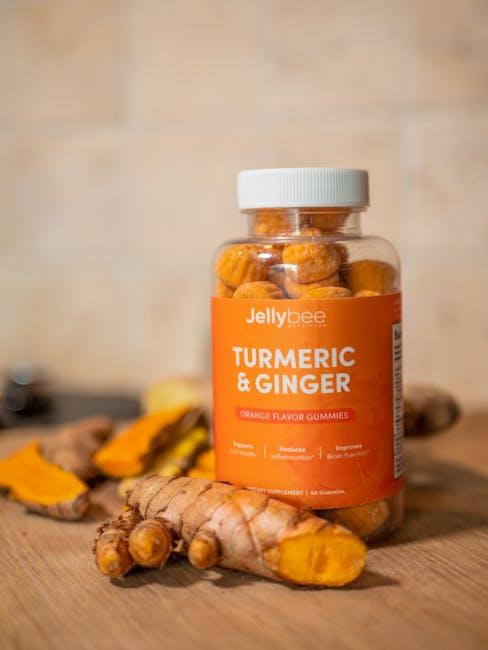
When the gut is inflamed, it can lead to discomfort and hinder the healing process crucial to the GAPS diet. Several natural remedies stand out for their ability to ease inflammation without harsh side effects. Turmeric, with its powerful compound curcumin, is renowned for calming digestive distress and promoting mucosal repair. Likewise, ginger offers a gentle yet effective way to reduce swelling and nausea, often infusing meals with a pleasant warmth that soothes from within.
For those seeking something beyond spices, incorporating supplements like licorice root extract and slippery elm can be transformative. Licorice root acts as a protective shield for the stomach lining, while slippery elm’s mucilage content forms a soothing barrier that minimizes irritation. Adding these to your routine can enhance gut resilience and support a smoother journey through digestive recovery.
| Natural Anti-Inflammatory | Key Benefits | Suggested Use |
|---|---|---|
| Turmeric | Reduces gut inflammation, antioxidant support | Capsules or in cooking (250-500 mg/day) |
| Ginger | Eases nausea, anti-inflammatory | Fresh root, tea, or supplements (1-2 g/day) |
| Licorice Root Extract | Protects mucous membranes | Deglycyrrhizinated (DGL) tablets before meals |
| Slippery Elm | Forms soothing mucilage barrier | Powder or capsules with water (1-2 tsp) |

Choosing Quality Supplements for Safety and Effectiveness
When selecting supplements to complement the GAPS diet, prioritizing quality and transparency is essential. Look for products that have undergone third-party testing to verify purity and potency, ensuring you’re not inadvertently consuming harmful fillers or contaminants. Pay close attention to ingredient lists, opting for supplements free from artificial additives, preservatives, and common allergens. Certifications such as organic, non-GMO, and kosher can also indicate higher standards of production that align with the healing focus of the GAPS protocol.
Understanding the form and dosage of supplements contributes significantly to both safety and efficacy. Bioavailable forms, such as methylated B vitamins or fermented probiotics, tend to be better absorbed and tolerated by sensitive digestive systems inherent in GAPS practitioners. Below is a quick reference table highlighting some preferred forms along with key benefits:
| Supplement Type | Preferred Form | Key Benefit |
|---|---|---|
| Probiotics | Fermented cultures | Enhanced gut flora balance |
| Fish Oil | Triglyceride form | Higher absorption and stability |
| Vitamin B Complex | Methylated B12 and B6 | Optimized cellular energy |
Q&A
Q&A: Must-Have Supplements for the GAPS Diet
Q1: What is the GAPS diet, and why might supplements be necessary?
A: The GAPS (Gut and Psychology Syndrome) diet is a nutritional protocol designed to heal the gut lining and improve digestive health by eliminating certain foods and focusing on nutrient-dense, whole foods. While the diet emphasizes natural food sources, supplements can help fill nutritional gaps, support detoxification, and accelerate gut healing during various stages of the protocol.
Q2: Which supplements are considered essential for someone starting the GAPS diet?
A: Beginners often rely on probiotics to restore beneficial gut bacteria, digestive enzymes to aid in breaking down tough food components, and omega-3 fatty acids for their anti-inflammatory properties. Bone broth, rich in collagen and minerals, although consumed as food, is sometimes supplemented for added gut-healing benefits.
Q3: Why are probiotics important on the GAPS diet?
A: Probiotics help repopulate the gut with healthy bacteria, crucial for repairing the intestinal lining and improving digestion. GAPS aims to balance gut flora, so a high-quality probiotic supplement can support this process, especially when transitioning off antibiotics or during detox phases.
Q4: Can digestive enzymes make a difference on the GAPS diet?
A: Yes, digestive enzymes assist the body in breaking down proteins, fats, and carbohydrates, easing digestion and reducing symptoms like bloating and discomfort. They provide crucial support while the gut is healing and might still struggle with certain foods.
Q5: Are there supplements to support detoxification on the GAPS diet?
A: Certain supplements such as activated charcoal, bentonite clay, or milk thistle can support liver function and help bind toxins, which may accumulate during the detox phase of the GAPS diet. However, these should be used cautiously and ideally under the guidance of a healthcare professional.
Q6: What role do vitamins and minerals play in the GAPS supplementation plan?
A: The restrictive nature of GAPS may lead to temporary deficiencies in vitamins like D and B12, or minerals such as magnesium and zinc. Supplementing these nutrients ensures the body has the essentials needed for immune function, energy production, and gut repair.
Q7: Should everyone on the GAPS diet take the same supplements?
A: Not necessarily. Supplement needs can vary based on individual health status, symptoms, and progress within the GAPS protocol. Personalized guidance from a practitioner familiar with the diet is recommended to tailor supplementation appropriately.
Q8: How do I choose high-quality supplements for the GAPS diet?
A: Look for supplements that are free from artificial additives, fillers, and allergens. Choosing products with transparent sourcing, third-party testing, and suitable for sensitive individuals helps ensure safety and efficacy on the healing journey.
Q9: Are there any risks or side effects to supplementing while on the GAPS diet?
A: Some supplements may cause digestive upset or interact with medications. Over-supplementing can also lead to imbalances. Starting with low doses and monitoring your body’s response is key, along with professional advice.
Q10: How long should I continue taking supplements on the GAPS diet?
A: Supplementation length depends on individual healing progress. Some people may only need them for a few weeks to months, while others might benefit from longer use. Regular reassessment helps determine when supplements can be safely reduced or stopped.
This Q&A aims to offer a balanced view on essential supplements within the GAPS diet framework, encouraging thoughtful integration for optimal gut health.
Key Takeaways
As you embark on your journey with the GAPS diet, remember that supplements are not just additions—they are supportive allies helping your body heal and thrive. Choosing the right ones can enhance your experience, providing essential nutrients and balance where food alone might fall short. Embrace these must-have supplements thoughtfully, and let them guide you toward a healthier, more vibrant you. After all, the path to wellness is as unique as the individual walking it, and with the right support, every step becomes a little stronger.


