

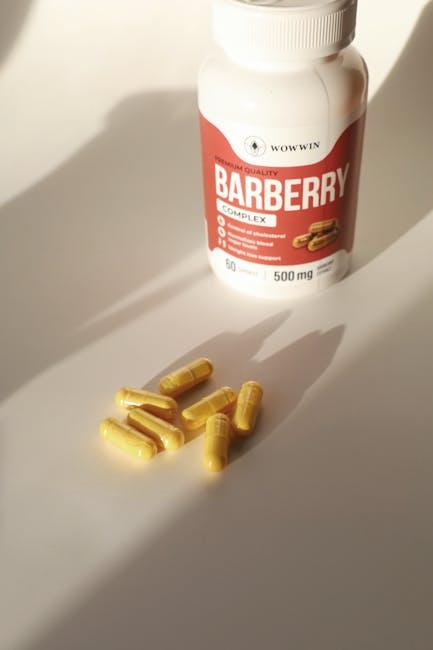
In a world brimming with countless options on pharmacy shelves and online stores, selecting the right supplement can feel like navigating a dense, uncharted forest. Each bottle promises vitality, wellness, and a boost toward your health goals, but not all are created equal. Choosing high-quality supplements is more than just picking the flashiest label or the bestselling brand—it’s about understanding what truly nourishes your body and aligns with your needs. This article ventures beyond marketing hype to illuminate the essential factors that can help you make informed, confident decisions in your quest for better health.
Table of Contents
- Understanding Supplement Labels for Informed Choices
- Identifying Trusted Brands and Certification Seals
- Evaluating Ingredient Quality and Source Transparency
- Assessing Dosage Effectiveness and Potential Interactions
- Tips for Consulting Healthcare Professionals Before Purchase
- Q&A
- Key Takeaways


Understanding Supplement Labels for Informed Choices
When scanning the label of a supplement bottle, it’s vital to know exactly what you’re looking for to distinguish quality from filler. Start by examining the Supplement Facts panel, which reveals the active ingredients and their quantities. This helps you compare products side-by-side and verify whether they meet your specific health goals. Look for certifications such as GMP (Good Manufacturing Practices) or third-party testing seals, which indicate the product has undergone rigorous quality checks.
Understanding the ingredient list is equally critical. Watch out for:
- Fillers and additives—avoid unnecessary artificial colors, preservatives, and binders.
- Proprietary blends—these often hide exact dosages, making it difficult to assess effectiveness.
- Expiration date—ensure freshness and potency by choosing supplements with a valid expiration date clearly printed.
| Label Element | What to Check | Importance |
|---|---|---|
| Supplement Facts | Ingredient names and amounts | Verify dose and benefits |
| Certifications | GMP, third-party testing seals | Quality assurance |
| Expiration Date | Valid and clear timeframe | Product potency |

Identifying Trusted Brands and Certification Seals
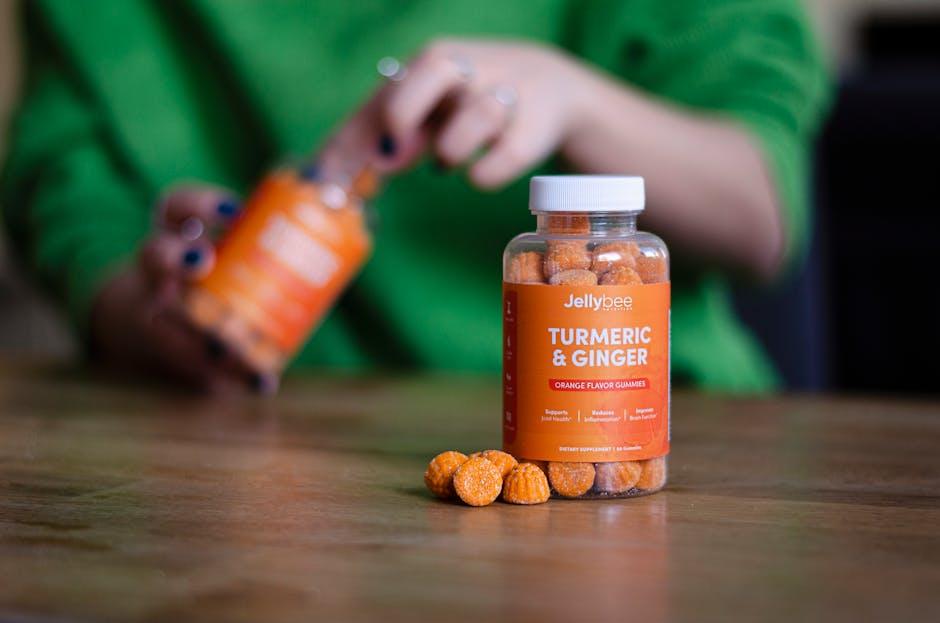
When navigating the vast world of supplements, recognizing trusted brands is essential to ensure product safety and efficacy. Established companies typically invest heavily in research and quality control, offering transparency about their ingredients and sourcing. Look for brands that provide detailed product information, have positive customer feedback, and maintain a clear presence both online and in reputable retail outlets. This background check helps filter out products that might be flashy but lack substance.
Certification seals act as an additional layer of assurance. These marks indicate that an independent third party has verified the product’s contents and manufacturing processes. Some of the most respected certifications include:
- NSF International: Ensures supplements meet strict safety and quality criteria.
- USP Verified: Confirms accurate ingredient labeling and absence of harmful levels of contaminants.
- GMP Certified: Indicates adherence to Good Manufacturing Practices in production facilities.
- Non-GMO Project: Verifies that ingredients are not genetically modified.
Evaluating Ingredient Quality and Source Transparency
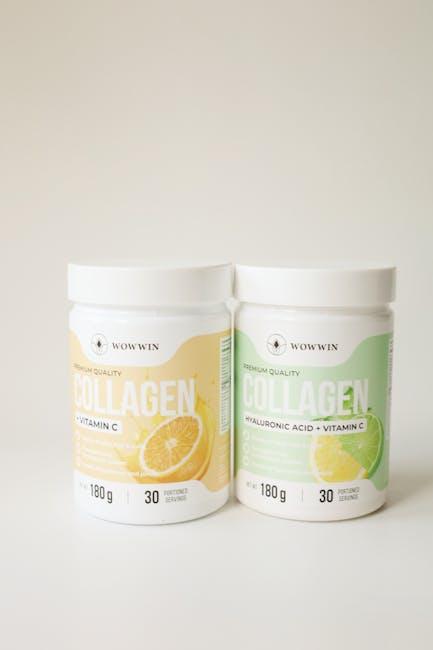
When selecting supplements, prioritizing ingredient quality is essential for both safety and effectiveness. Look for products that explicitly state their sources, like organic herbs, non-GMO vitamins, or pharmaceutical-grade minerals. Transparency about origins shows a brand’s commitment to integrity, helping you trust what you’re putting in your body. Additionally, pay attention to how ingredients are processed — cold-pressed oils or freeze-dried extracts often retain more potency compared to highly refined alternatives.
Transparency extends beyond just the label. Reliable companies provide easily accessible information about sourcing, such as farm locations, harvesting methods, and third-party testing results. These details often appear on their official websites or included documentation. To aid your evaluation, here’s a quick reference:
| Key Transparency Indicators | What They Reveal |
|---|---|
| Third-party Lab Tests | Confirm purity and potency |
| Source Origin Details | Ensure ethical and sustainable harvesting |
| Certification Seals (Organic, Non-GMO) | Guarantee standards compliance |
- Check for batch numbers to track production consistency
- Review ingredient forms (e.g., chelated minerals for better absorption)
- Research manufacturer reputation for long-term reliability

Assessing Dosage Effectiveness and Potential Interactions
Determining the right amount of a supplement to take is more nuanced than simply following the label instructions. It’s essential to consider individual factors such as age, weight, health conditions, and lifestyle habits. Over or under-dosing can lead to ineffective results or adverse outcomes, respectively. Regularly tracking your body’s response through symptoms, energy levels, or even lab tests can provide valuable feedback on how well a dosage is working. Consulting with healthcare professionals ensures that any adjustments made are both safe and tailored to your unique needs.
Another critical aspect to watch for is how your supplements might interact with other medications or nutrients. Some compounds can inhibit or enhance the absorption and effectiveness of others, sometimes producing unexpected effects. Keep an eye out for common interaction warnings, and consider maintaining a detailed list of everything you’re taking. A few interactions to monitor include:
- Vitamin K and blood thinners, which can affect clotting
- Calcium and certain antibiotics, potentially reducing drug absorption
- St. John’s Wort and antidepressants, which may cause serotonin syndrome
| Supplement | Common Interaction | Potential Effect |
|---|---|---|
| Magnesium | Antibiotics | Reduced absorption |
| Iron | Calcium | Interference with absorption |
| Ginkgo Biloba | Blood thinners | Increased bleeding risk |

Tips for Consulting Healthcare Professionals Before Purchase
Engaging with a healthcare professional prior to selecting supplements can transform your approach from guesswork to informed choice. These experts not only assess your individual health needs but also provide tailored advice that considers potential interactions with medications or existing conditions. Before committing to any product, discussing your lifestyle, diet, and goals ensures that the supplements complement your overall wellness plan effectively.
When consulting, keep the dialogue clear and comprehensive. Consider sharing:
- Current medications and supplements: To prevent harmful interactions
- Allergy history: To avoid ingredients that may trigger reactions
- Health objectives: Aligning supplement choice with your personal goals
This collaborative approach helps in pinpointing the most effective, safe, and high-quality products suited to your needs.
Q&A
Q&A: Choosing High-Quality Supplements
Q1: Why is it important to choose high-quality supplements?
A1: Supplements can play a valuable role in supporting health, but their effectiveness largely depends on quality. High-quality supplements ensure that you receive the intended nutrients without harmful contaminants, inconsistent dosages, or ineffective ingredient forms. Choosing well-made products protects your health and your investment.
Q2: What should I look for on a supplement label?
A2: Start with the list of ingredients and the amounts per serving. Look for clearly stated active ingredients, certifications such as USP or NSF, and avoid proprietary blends that hide exact amounts. Also note the expiration date and manufacturing details to confirm freshness and reliability.
Q3: How can I verify if a supplement brand is trustworthy?
A3: Research the company’s reputation, including customer reviews and transparency about sourcing and manufacturing processes. Third-party testing by independent labs adds credibility, demonstrating commitment to quality and safety beyond regulatory requirements.
Q4: Are natural supplements always better?
A4: Not necessarily. “Natural” doesn’t always guarantee purity or potency. Some synthetic forms can be more bioavailable or stable than their natural counterparts. Prioritize supplements with scientifically supported formulations rather than relying solely on marketing terms.
Q5: Can expensive supplements be bad quality?
A5: Price isn’t a foolproof indicator of quality. Some high-cost products may be overpriced without providing real benefits, while affordable options can be excellent if they meet quality standards. Always evaluate based on ingredient transparency, testing, and customer feedback.
Q6: How important is the form of a supplement (tablet, capsule, powder)?
A6: The form can affect absorption and convenience but doesn’t inherently determine quality. Choose what fits your lifestyle and digestive preferences. Some forms include added fillers or binders, so check ingredient lists for unnecessary additives.
Q7: Should I consult a healthcare professional before taking supplements?
A7: Absolutely. A healthcare provider can assess your individual needs, prevent harmful interactions with medications, and help select supplements best suited to your health goals and conditions.
Q8: What role do certifications and seals play in choosing supplements?
A8: Certifications from third parties like NSF, USP, or ConsumerLab indicate rigorous testing for potency and contaminants. While not infallible, these seals offer additional assurance beyond standard labeling and help distinguish trustworthy products.
Q9: How can I avoid counterfeit or substandard supplements?
A9: Purchase supplements from reputable retailers or directly from the manufacturer’s official website. Be cautious of deals that seem too good to be true or products sold through unreliable channels, as these may compromise safety and efficacy.
Q10: Can I trust customer reviews when selecting supplements?
A10: Customer reviews can offer useful insights but should be taken with caution due to potential bias or fakes. Look for detailed, balanced feedback and consult multiple sources, including expert opinions, to form a well-rounded view.
Choosing supplements thoughtfully empowers you to support your health with confidence. Quality matters—because what you put into your body is worth your time and care.
Key Takeaways
In the quest for well-being, choosing high-quality supplements is more than just a purchase—it’s a commitment to your health’s future. By prioritizing transparency, ingredient integrity, and trusted certifications, you empower yourself to make informed decisions amid a sea of options. Remember, the right supplement doesn’t promise miracles, but it can be a steadfast ally on your journey toward balance and vitality. As you navigate the shelves and screens, let knowledge be your compass, guiding you to choices that truly support the best version of you.