



In the intricate ecosystem of the human body, two silent guardians stand at the forefront of our well-being: the immune system and the gut. Often overshadowed by flashier health trends, these internal allies quietly work together, influencing everything from how we fend off illness to how we absorb the nutrients that fuel our lives. As modern lifestyles challenge these natural defenses with stress, processed foods, and environmental toxins, many are turning to supplements as a potential boost. But navigating the vast world of immunity and gut health supplements can be daunting. This article delves into the science and stories behind these aides, exploring how the right supplements might support the delicate balance within, promoting resilience and vitality from the inside out.
Table of Contents
- Supplements that Strengthen Your Immune Defense Naturally
- Key Nutrients to Support a Balanced and Healthy Gut
- Exploring Probiotics and Prebiotics for Optimal Digestive Wellness
- Herbal Allies Known for Immune and Gut Health Benefits
- Tips for Choosing Quality Supplements and Integrating Them Safely
- Q&A
- Wrapping Up

Supplements that Strengthen Your Immune Defense Naturally
When aiming to fortify your body’s natural defenses, certain supplements rise to the occasion by providing targeted immune support. Vitamin C remains a powerhouse, known for its antioxidant properties that protect cells from damage and boost the activity of white blood cells. Equally important, Vitamin D enhances the pathogen-fighting effects of monocytes and macrophages—key players in your immune system—while modulating inflammation. Additionally, Zinc acts as a critical mineral involved in the development and communication of immune cells, helping to curb the duration of common colds and respiratory infections.
If you’re looking for supplements that work synergistically to nurture both immunity and gut health, probiotics come highly recommended. These beneficial bacteria strengthen the gut barrier and amplify the production of natural antibodies, while also interacting with the body’s immune cells to foster a balanced response. Other natural agents like echinacea and elderberry offer herbal boosts with antiviral and anti-inflammatory properties, making them excellent allies during cold and flu seasons.
| Supplement | Key Benefit | Recommended Daily Dose |
|---|---|---|
| Vitamin C | Enhances antioxidant protection | 500-1000 mg |
| Vitamin D | Modulates inflammation & immune response | 1000-2000 IU |
| Zinc | Supports immune cell communication | 8-15 mg |
| Probiotics | Bolsters gut barrier & antibody production | 10-20 billion CFU |
| Elderberry | Antiviral & anti-inflammatory effects | 300-600 mg |

Key Nutrients to Support a Balanced and Healthy Gut
Maintaining a flourishing gut ecosystem requires a steady supply of essential nutrients that not only nourish beneficial bacteria but also strengthen the gut lining and modulate immune responses. Among the most impactful are prebiotic fibers like inulin and fructooligosaccharides, which act as food for probiotics, promoting their growth and activity. Additionally, omega-3 fatty acids play a crucial role by reducing inflammation within the gut environment, supporting a balanced microbial community. Vitamins such as Vitamin D and B-complex are pivotal for maintaining mucosal integrity and aiding in immune system regulation.
Incorporating a blend of these nutrients into your daily routine can significantly enhance gut resilience and overall health. Key players to consider include:
- Magnesium: Supports gut motility and enzymatic functions.
- Zinc: Essential for cellular repair and immune defense.
- Polyphenols: Found in colorful fruits and teas, promote diversity of gut microbes.
- Glutamine: Helps repair the gut lining, reducing permeability.
| Nutrient | Primary Gut Support | Food Sources |
|---|---|---|
| Prebiotic Fibers | Feed probiotics and enhance microbiota | Chicory root, garlic, onions |
| Omega-3 Fatty Acids | Reduce inflammation & support immunity | Fatty fish, flaxseeds, walnuts |
| Vitamin D | Strengthens gut lining & immunity | Sunlight, fortified dairy, eggs |
| Zinc | Promotes cellular repair | Shellfish, nuts, seeds |

Exploring Probiotics and Prebiotics for Optimal Digestive Wellness
When it comes to nurturing your digestive system, probiotics and prebiotics play complementary but distinct roles. Probiotics are live beneficial bacteria that help restore and maintain the natural balance of your gut microbiota. These microorganisms support digestion, enhance nutrient absorption, and contribute to stronger immune defenses by crowding out harmful pathogens. Incorporating probiotic-rich foods like yogurt, kefir, and fermented vegetables or choosing high-quality probiotic supplements can help sustain this internal ecosystem, especially during periods of stress or after antibiotic use.
On the other hand, prebiotics act as the vital fuel that feeds these beneficial bacteria, promoting their growth and activity. They are non-digestible fibers found in various plant-based foods such as garlic, onions, bananas, and whole grains. Including prebiotics in your diet ensures that probiotics flourish effectively, creating a harmonious environment for digestive health. Below is a snapshot illustrating the synergy between some common probiotics and prebiotics:
| Probiotic Sources | Complementary Prebiotic Foods |
|---|---|
| Kefir | Bananas |
| Sauerkraut | Onions |
| Yogurt | Garlic |
| Kimchi | Asparagus |
Herbal Allies Known for Immune and Gut Health Benefits
Nature offers a treasure trove of botanical treasures that work harmoniously with our bodies to support both immune resilience and gut vitality. Herbs such as elderberry and echinacea are widely celebrated for their immune-boosting properties, packed with antioxidants and compounds that may enhance the body’s natural defenses. Meanwhile, digestive-friendly allies like slippery elm and licorice root soothe the gut lining, promoting balance within the microbiome and easing discomfort often linked to digestive stress.
Incorporating these botanicals into your wellness routine can be as simple as sipping herbal teas or supplementing with concentrated extracts. Here’s a glance at some key herbal champions and their benefits:
- Elderberry: Rich in flavonoids, enhances antiviral defenses.
- Echinacea: Stimulates immune cell activity.
- Slippery Elm: Soothes inflamed digestive tissues.
- Licorice Root: Supports gut mucosa and reduces irritation.
- Ginger: Anti-inflammatory and promotes digestion.

Tips for Choosing Quality Supplements and Integrating Them Safely
Choosing supplements that genuinely support your immune system and gut health requires more than just picking the trendiest option on the shelf. Focus on quality indicators such as third-party testing, transparent ingredient sourcing, and clear dosage information. Avoid supplements with excessive fillers or artificial additives, as these can undermine the benefits and potentially cause unwanted reactions. Remember, a trustworthy brand will provide detailed information about their manufacturing practices and offer certifications like GMP (Good Manufacturing Practice) or NSF verification, ensuring safety and potency.
Integrating supplements into your daily routine effectively demands thoughtful consideration of timing, interactions, and dosage. Some supplements absorb better with food, while others require an empty stomach for optimal efficiency. Additionally, combining certain herbs or probiotics might either amplify benefits or lead to counterproductive effects. Here’s a quick guide to keep in mind:
- Start gradually: Introduce one supplement at a time to monitor your body’s response.
- Check interactions: Consult with healthcare providers when mixing supplements with medications.
- Stay consistent: Regular consumption at the same time daily enhances effectiveness.
- Hydration matters: Water aids in digestion and absorption of key nutrients.
| Supplement | Best Time to Take | Tip for Use |
|---|---|---|
| Probiotics | Morning before breakfast | Store in a cool, dry place |
| Vitamin C | With meals | Pair with iron-rich foods |
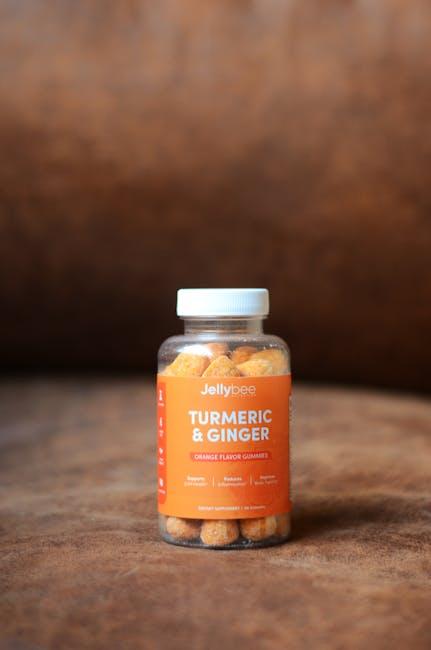
| Turmeric | With fatty meals | Combine with black pepper for absorption |
Q&A
Q&A: Supplements to Boost Immunity and Gut Health
Q1: Why focus on both immunity and gut health together?
A1: The gut is often called the body’s “second brain” because it houses a vast ecosystem of microbes that play a pivotal role in immune function. A balanced gut microbiome can enhance the body’s ability to fend off infections, reduce inflammation, and support overall immune resilience. So, boosting gut health naturally gives your immunity a helpful nudge.
Q2: Which supplements are best known for supporting gut health?
A2: Probiotics top the list—they introduce beneficial bacteria to balance your gut flora. Prebiotics, like inulin or fructooligosaccharides, act as food for these friendly microbes. Other supplements like digestive enzymes and L-glutamine help maintain gut lining integrity and ease digestion, contributing to a healthier digestive environment.
Q3: What about supplements directly linked to immune support?
A3: Vitamin C and zinc are classic immune champions, known to enhance white blood cell function and shorten the duration of colds. Vitamin D plays a crucial role too, modulating immune responses and reducing infection rates. Additionally, elderberry, echinacea, and beta-glucans have gained popularity for their immune-boosting properties.
Q4: Can one supplement improve both immunity and gut health?
A4: Absolutely! Probiotics are a prime example—they not only balance gut bacteria but also interact with immune cells in the gut lining, boosting overall immunity. Likewise, vitamin D supports gut barrier function while enhancing immune defenses, making these supplements valuable multitaskers.
Q5: Are there any risks in taking immunity and gut health supplements?
A5: While generally safe, supplements can sometimes cause digestive upset, allergic reactions, or interact with medications. It’s best to start with recommended dosages and consult a healthcare professional, especially if you have underlying health conditions or are pregnant.
Q6: How long does it take to notice benefits from these supplements?
A6: Gut health changes might take a few weeks to stabilize as microbial populations shift, whereas some immune support supplements can show effects within days during an illness. Consistency is key; prolonged use under guidance tends to yield the best results.
Q7: Can diet alone support immunity and gut health without supplements?
A7: A nutrient-rich diet with plenty of fiber, fermented foods, and antioxidants lays a strong foundation. However, supplements can fill nutrient gaps or provide targeted support, especially during stressful periods or illness.
Q8: What should I look for when choosing a supplement?
A8: Quality matters—opt for reputable brands with transparent ingredient sourcing, verified strains (for probiotics), and clear dosage information. Third-party testing or certifications add an extra layer of trust.
Whether you’re a gut guru or an immunity enthusiast, combining mindful eating with thoughtfully chosen supplements can keep your body’s defenses robust and your digestive system humming in harmony.
Wrapping Up
In the quest for a stronger immune system and a thriving gut, supplements can be valuable allies—but they’re just one piece of the puzzle. Balanced nutrition, regular exercise, sufficient sleep, and mindful stress management all play starring roles in this health saga. As you consider adding supplements to your routine, remember that thoughtful choices and personalized guidance can transform simple pills into powerful partners on your wellness journey. After all, true vitality blossoms from a harmony of habits, not shortcuts—a story your body will thank you for telling.





Leave feedback about this