
Transform Your GAPS Spring Veggies with Low-Carb Sugar Swaps
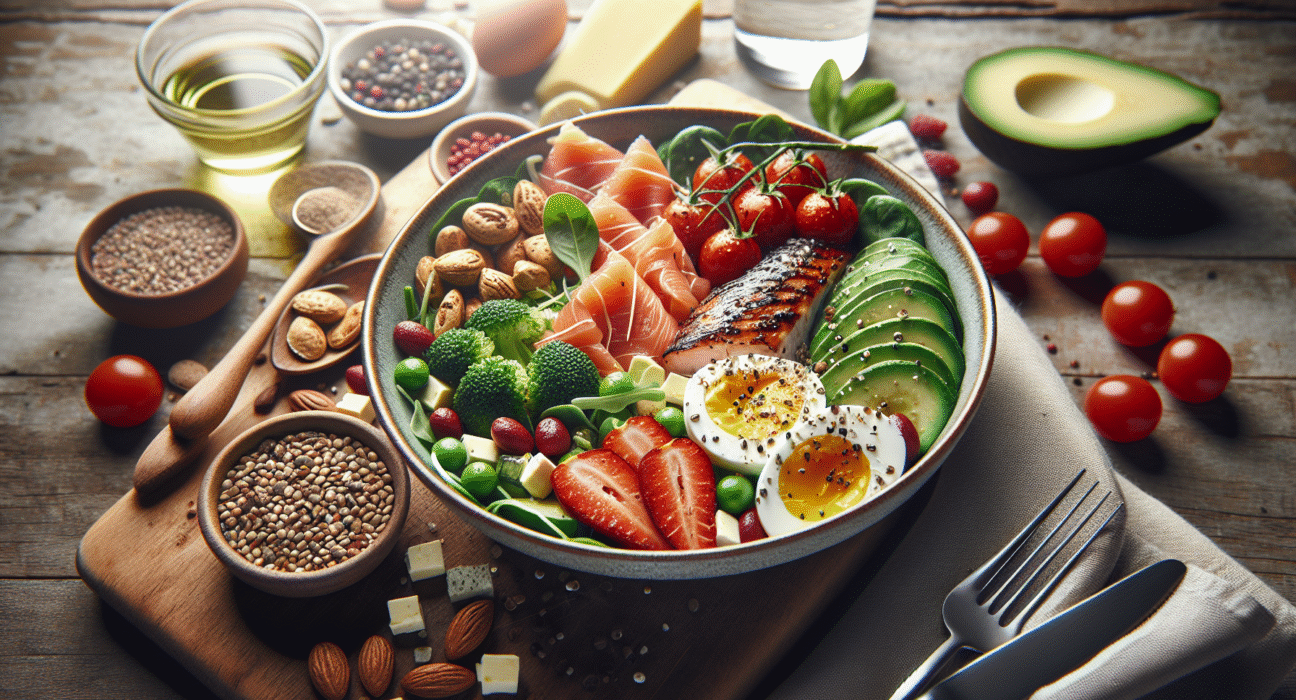
As spring breathes life into our gardens, it’s the perfect time to refresh your diet with vibrant GAPS spring vegetables. Whether you’re following the GAPS diet for its gut-healing benefits or simply aiming for a low-carb lifestyle, making smart sugar swaps can enhance both your health and your culinary experience. In this guide, we’ll explore easy low-carb sugar replacements that work beautifully with GAPS spring vegetables, providing a delicious and budget-friendly way to maintain your health goals.
Understanding Low-Carb Sugar Replacements
When you’re committed to a low-carb diet, finding sugar alternatives that satisfy your sweet tooth without spiking your blood sugar is crucial. Low-carb sugar replacements offer a perfect solution by providing sweetness without the carbs. These alternatives are especially important for those on the GAPS diet, as they can help maintain gut health while preventing the negative effects of traditional sugars.
Why Use Low-Carb Sugar Alternatives?
- Blood Sugar Control: Unlike regular sugar, low-carb alternatives don’t cause drastic spikes in blood glucose levels, making them ideal for diabetics and those managing blood sugar.
- Weight Management: These alternatives usually contain fewer calories, aiding in weight loss and maintenance.
- Gut Health: Maintaining a low sugar intake is pivotal on the GAPS diet, which focuses on healing the gut and reducing inflammation.
One popular choice is using Stevia Extract Powder, known for its budget-friendly profile and wide acceptance among those following low-carb diets. Not only does it provide a sweet flavor, but it’s also free from calories, making it perfect for both drinks and desserts.
Top Low-Carb Sweeteners for GAPS Diet
When it comes to low-carb sweeteners, variety is key. Depending on your cooking needs, you may prefer different products. Here are some top picks:
1. Stevia
Stevia, derived from the leaves of the Stevia plant, is a natural sweetener that is incredibly potent—often hundreds of times sweeter than sugar. It’s a popular choice due to its low cost and natural origin. Stevia Extract Powder is particularly great for those on a budget while still providing a satisfying sweetness.
2. Erythritol
If you’re looking for a sweetener that mimics the taste and texture of sugar without the carbs, Erythritol Sweetener is a standout option. It’s especially good for baking as it has no aftertaste and measures similarly to sugar, making it an easy swap in recipes.
3. Monk Fruit Sweetener
For those seeking a premium option, Monk Fruit Sweetener Blend is worth considering. With zero calories and a taste that closely resembles sugar, this sweetener is versatile enough for both cooking and baking, offering a natural solution without the carbs.
Incorporating Low-Carb Sweeteners in Spring Recipes
Spring is all about fresh and vibrant flavors, and integrating low-carb sweeteners into your GAPS recipes can enhance these natural tastes. Here are some tips for using sweeteners effectively:
- Balance Flavors: Start by adding sweeteners gradually. This allows you to adjust the sweetness to your taste while preserving the natural flavors of your vegetables.
- Adjust for Texture: When baking, remember that some sweeteners like erythritol can crystallize. Mixing it with other sweeteners, like Stevia, can prevent this.
- Experiment with Combinations: Don’t hesitate to combine different sweeteners to achieve the perfect taste and texture. For instance, mixing monk fruit with erythritol can offer a balanced sweetness without any aftertaste.
Healthy Swaps for GAPS Spring Vegetables
Incorporating healthy swaps in your recipes can elevate your GAPS spring vegetables to new heights. Here are some suggestions:
- Zucchini Noodles: Instead of traditional pasta, try spiralizing zucchini for a low-carb, gut-friendly alternative. A NutriBullet Pro Blender can be a great tool for making sauces to accompany your zoodles.
- Cauliflower Rice: Swap out white rice with cauliflower rice. It’s low in carbs and works as a fantastic base for stir-fry dishes.
- Rutabaga Fries: Replace potato fries with rutabaga fries for a low-carb twist. They offer a similar texture and can be seasoned to your liking.
Conclusion and Additional Resources
By making these low-carb sugar swaps and healthy vegetable alternatives, you’re not only staying true to the GAPS diet but also enhancing the nutritional value of your meals. For more recipe ideas and detailed guidance, consider exploring The Complete Ketogenic Diet for Beginners, a resourceful cookbook for low-carb enthusiasts.
FAQ
What are some good low-carb sugar substitutes?
Stevia, erythritol, and monk fruit are excellent low-carb sugar substitutes that offer sweetness without the carbs.
How do I use erythritol in baking?
Erythritol can be used cup-for-cup like sugar. However, it may crystallize, so consider mixing it with other sweeteners to prevent this.
Is monk fruit sweetener healthier than sugar?
Monk fruit sweetener contains no calories or carbs, making it a healthier choice for those managing blood sugar levels.
Can I use stevia for cooking and baking?
Yes, stevia is versatile enough for both cooking and baking, though it’s important to adjust quantities due to its high sweetness level.
—
Final Thoughts
Transforming your GAPS spring veggies with these low-carb sugar swaps can be a delightful culinary experiment that supports your health goals. Enjoy the vibrant flavors of spring while maintaining a low-carb diet with these simple, effective substitutions.
Disclosure: This post contains affiliate links, which means I may earn a commission if you click through and make a purchase. As an Amazon Associate, I earn from qualifying purchases. This comes at no extra cost to you and helps support the blog. I only recommend products I personally use or genuinely believe will add value to your keto/GAPS journey.