


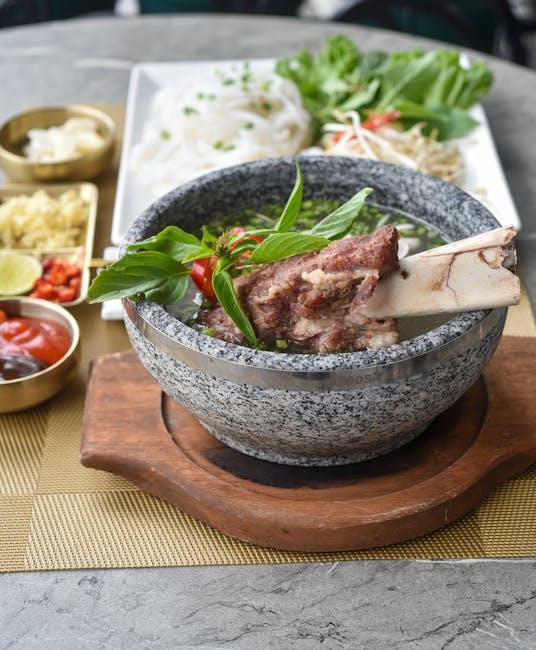
In the world of modern nutrition, convenience often meets tradition in unexpected ways. Bone broth, a time-honored elixir celebrated for its rich nutrients and comforting qualities, has recently taken on a new form: powders. Promising all the benefits of slow-simmered broth in a quick, shelf-stable scoop, bone broth powders have captured the attention of health enthusiasts and convenience seekers alike. But do these powdered versions live up to the reputation of their slow-cooked predecessors? In this article, we delve into the science, the claims, and the reality behind bone broth powders to find out whether they truly work—or if they’re just another trendy supplement in disguise.
Table of Contents
- Understanding the Nutritional Profile of Bone Broth Powders
- Comparing Powdered Bone Broth to Traditional Homemade Versions
- Evaluating the Health Claims Backed by Scientific Research
- Key Ingredients to Look for When Choosing a Bone Broth Powder
- Practical Tips for Incorporating Bone Broth Powders Into Your Diet
- Q&A
- Concluding Remarks

Understanding the Nutritional Profile of Bone Broth Powders
Bone broth powders distill the essence of simmered bones into a concentrated form that’s easy to incorporate into daily routines. These powders typically boast a rich array of nutrients, including collagen peptides, amino acids like glycine and proline, as well as vital minerals like calcium, magnesium, and phosphorus. However, the exact nutritional composition can vary significantly depending on the source bones, additional ingredients, and processing techniques employed by manufacturers.
When examining the labels of bone broth powders, consumers often find a mix of:
- Protein content: Often 8-10 grams per serving, contributing to muscle repair and skin health
- Minerals: Trace amounts of essential elements supporting bone density and metabolic functions
- Gelatin and collagen: Key for joint support and gut lining reinforcement
| Nutrient | Typical Amount per Serving | Potential Benefit |
|---|---|---|
| Collagen Peptides | 5-7 grams | Supports skin elasticity & joint health |
| Calcium | 20-40 mg | Bone strength & metabolic functions |
| Glycine | 2-3 grams | Promotes better sleep & detoxification |
| Protein | 8-10 grams | Muscle repair & immune support |

Comparing Powdered Bone Broth to Traditional Homemade Versions
When deciding between powdered bone broth and the traditional homemade version, the choice often boils down to convenience versus authenticity. Powdered bone broth offers an ultra-portable, shelf-stable option that requires minimal preparation. It’s perfect for busy lifestyles or those who want a quick nutritional boost without hours of simmering bones. However, despite claims of convenience, the depth of flavor and nutrient complexity often falls short compared to a slow-simmered homemade broth. The intricate collagen, gelatin, and mineral profile developed through long, slow cooking is difficult to replicate in a dehydrated powder form.
Here’s a quick comparison to keep in mind:
- Flavor: Homemade broth boasts rich, complex tastes that evolve with simmer time, while powdered forms sometimes taste flat or artificial due to processing.
- Nutrient Density: Slow cooking releases a wider range of amino acids and minerals, versus potentially lower bioavailability in powders.
- Convenience: Powders score high here — instant preparation and portability — while homemade demands time and equipment.
- Preservation: Dehydrated powders have a longer shelf life but may contain preservatives; homemade broth is fresh but needs refrigeration or freezing.
| Aspect | Powdered Bone Broth | Homemade Bone Broth |
|---|---|---|
| Preparation Time | Under 5 minutes | 4-24 hours |
| Flavor Complexity | Basic, sometimes artificial | Rich, layered |
| Nutrient Retention | Moderate | High |
| Storage | Room temperature, long shelf life | Refrigerate or freeze, a few days to months |

Evaluating the Health Claims Backed by Scientific Research
Scientific inquiry into bone broth powders reveals a mixed landscape of evidence. While these supplements are often touted for their richness in collagen, amino acids, and minerals, research shows that the bioavailability and actual health impact can vary significantly. Studies indicate potential benefits such as improved joint health and skin elasticity, primarily due to collagen peptides. However, the extent of these benefits depends heavily on factors like the quality of the powder, the processing methods, and individual absorption rates. In some cases, the concentrations of key nutrients in bone broth powders are markedly lower compared to traditionally simmered bone broth, which calls into question their efficacy as a true substitute.
Furthermore, it’s essential to evaluate the claims of gut health, immune support, and inflammation reduction commonly associated with bone broth powders. Current clinical trials offer cautious optimism but stress that conclusive evidence is still lacking. The following table summarizes the main health claims alongside the existing scientific support:
| Health Claim | Scientific Support | Notes |
|---|---|---|
| Joint health improvement | Moderate | Collagen peptides may aid cartilage repair |
| Skin elasticity enhancement | Moderate | Some studies show increased collagen synthesis |
| Gut health support | Limited | Requires more rigorous trials |
| Immune system boost | Insufficient | Claims largely anecdotal |
| Inflammation reduction | Emerging | Preliminary data promising but inconclusive |
- Collagen peptides: Most validated component in bone broth powders.
- Mineral content: Often lower than homemade bone broth.
- Processing methods: Impact nutrient retention and effectiveness.

Key Ingredients to Look for When Choosing a Bone Broth Powder
When selecting a bone broth powder, quality ingredients are paramount. Look for powders made from grass-fed, pasture-raised animals, as these offer a richer nutrient profile and a cleaner taste. The inclusion of collagen peptides is a big plus, helping to support skin, joint, and gut health. Avoid powders with excessive fillers, artificial flavors, or preservatives—clean labels often indicate a more potent, healthful product. Additionally, powders that include natural flavors like roasted bones or added herbs can enhance both taste and nutritional benefits.
It’s also wise to pay attention to minerals and additional supplements in the formula. Some products fortify their blends with important micronutrients such as magnesium, calcium, and potassium to bolster overall wellness. Others might add ingredients like turmeric or ginger for natural anti-inflammatory properties. Here’s a quick guide to essential ingredients:
| Key Ingredient | Benefit | Why It Matters |
|---|---|---|
| Hydrolyzed Collagen | Supports skin, joints | More bioavailable for absorption |
| Glycosaminoglycans (GAGs) | Joint lubrication | Aids cartilage repair |
| Electrolytes | Hydration balance | Maintains muscle function |
| Organic Herbs | Digestive health | Enhances flavor and benefits |

Practical Tips for Incorporating Bone Broth Powders Into Your Diet
Integrating bone broth powders into your daily routine can be both simple and delicious. Start by mixing a scoop into your morning smoothie or coffee for a subtle nutrient boost without altering the flavor dramatically. For a warm alternative, stir it into hot water or tea, allowing it to dissolve fully for a comforting, collagen-rich drink. You can also sprinkle the powder over roasted vegetables, soups, or salads to add depth and nutrition effortlessly. Consistency is key—aim to include bone broth powder in at least one meal or snack each day to experience its potential joint and skin benefits.
If you’re looking for creative ways to use bone broth powders, consider incorporating them into your cooking repertoire. Use it as a base for homemade sauces or gravies instead of stock cubes, which often contain preservatives. For those who enjoy baking, adding it to bread dough or savory muffins can impart a subtle umami flavor and extra protein. Below is a quick reference table showcasing versatile uses with suggested pairings:
| Use | Pairing | Benefit |
|---|---|---|
| Morning Smoothie | Banana & Almond Milk | Easy collagen intake |
| Hot Beverage | Green Tea or Herbal Infusions | Soothing, nourishing |
| Soup & Stew Thickener | Vegetable or Chicken Soups | Enhances flavor & nutrition |
| Savory Baked Goods | Cheese & Herbs | Adds protein & umami |
Q&A
Q&A: Bone Broth Powders – Do They Work?
Q: What exactly are bone broth powders?
A: Bone broth powders are dehydrated forms of traditional bone broth, made by simmering animal bones and connective tissue to extract nutrients, then drying the liquid into a convenient powdered form. They aim to provide an easy, shelf-stable way to enjoy the purported benefits of bone broth without the long cooking time.
Q: Why have bone broth powders become popular?
A: With trends leaning toward gut health, joint support, and clean eating, bone broth powders offer a shortcut to the nutrient-dense concoction historically prized for its collagen, minerals, and amino acids. Their convenience and portability appeal to busy lifestyles and those who want to skip hours of slow simmering.
Q: Are bone broth powders as nutritious as traditional bone broth?
A: That depends. Quality varies widely. Some powders retain key nutrients like collagen peptides, glycosaminoglycans, and minerals through gentle processing, while others may lose much of their beneficial content during dehydration or contain additives. Reading labels and sourcing from reputable brands is essential.
Q: Can bone broth powders support joint and gut health?
A: The theory is promising: collagen and gelatin in broth have been linked to joint comfort and gut lining support in some studies. However, clinical evidence specifically on powdered forms is limited. Consuming these powders might contribute beneficial amino acids, but they’re not miracle cures.
Q: How should one use bone broth powders for best effect?
A: Typically, powders are dissolved in hot water to create a broth-like drink or added to soups and stews. Consistency matters—regular consumption over weeks may be needed to notice subtle benefits. Combining with a balanced diet and healthy lifestyle will enhance potential results.
Q: Are there any drawbacks or risks?
A: Potential issues include variable sodium levels, presence of additives, or contamination if products aren’t properly sourced or processed. People with allergies or specific dietary restrictions should check ingredients carefully. Also, relying solely on powders instead of whole foods might limit nutritional diversity.
Q: Who should consider incorporating bone broth powders?
A: Those seeking a convenient source of collagen and minerals, people with busy schedules, or anyone curious to experiment with traditional nutrient-rich foods in modern form. As with any supplement, consulting a healthcare provider is advisable, especially if you have health conditions.
Q: What’s the bottom line on bone broth powders?
A: Bone broth powders can work as a convenient nutrient source and complement a healthy diet, but quality varies and they’re not magic bullets. They’re best seen as part of a broader approach to nutrition and wellness, offering potential benefits without replacing whole foods or medical advice.
Concluding Remarks
In the end, bone broth powders offer a convenient shortcut to the rich, nutrient-packed goodness traditionally simmered for hours on the stove. While they may not fully replicate the depth of flavor or the exact nutritional profile of homemade broth, these powders can still be a practical addition to your wellness toolkit—especially for those with busy lifestyles or limited kitchen time. Like any supplement, their impact depends on individual health goals, dietary habits, and expectations. So, whether you’re seeking a comforting sip or a collagen boost, bone broth powders might just be worth a try—but as always, a well-balanced diet and mindful choices remain the true foundation of good health.



Leave feedback about this