



In an age where wellness trends come and go, probiotics have steadily earned their spot as quiet champions of gut health. These tiny, living microorganisms hold immense potential to boost digestion, immunity, and overall vitality. Yet, their effectiveness hinges on a crucial factor often overlooked: proper storage and consumption. Mishandling probiotics can diminish their power, turning a promising supplement into a wasted effort. This article will guide you through the essential steps to store and take probiotics correctly, ensuring you get the full benefit from these microscopic allies. Whether you’re a seasoned supplement user or just starting out, understanding these practices can make all the difference in nurturing your inner ecosystem.
Table of Contents
- Choosing the Right Probiotic Strain for Your Needs
- Optimal Storage Conditions to Preserve Potency
- Timing Your Probiotic Intake for Maximum Benefits
- Common Mistakes to Avoid When Handling Probiotics
- Integrating Probiotics into Your Daily Wellness Routine
- Q&A
- To Conclude
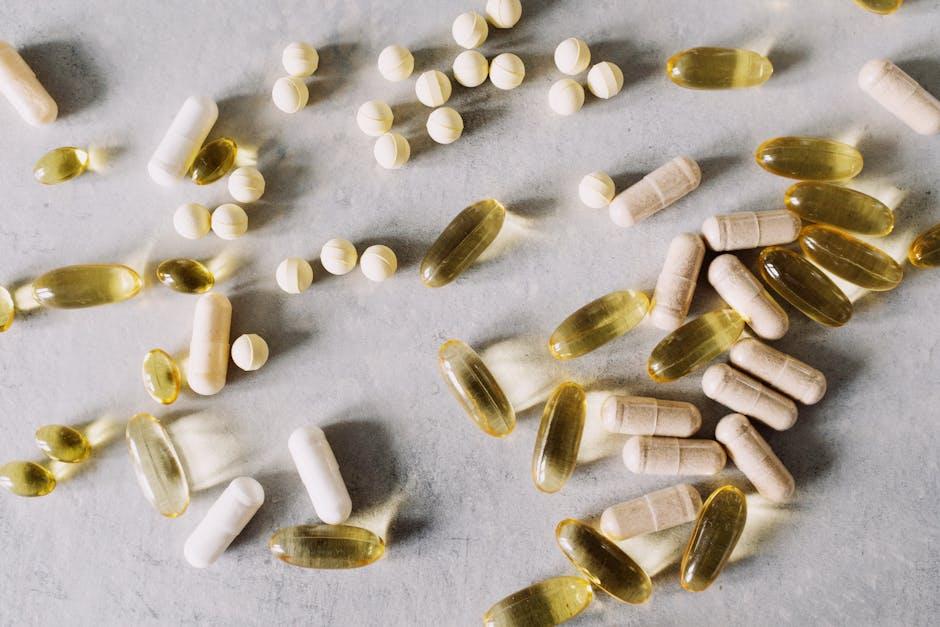
Choosing the Right Probiotic Strain for Your Needs
When selecting a probiotic, it’s crucial to match the strain with your specific health goals. Not all probiotics are created equal—each strain offers unique benefits, from supporting digestive health to enhancing immunity or promoting mental well-being. For example, Lactobacillus acidophilus is renowned for aiding digestion, whereas Bifidobacterium bifidum may be more effective in reducing inflammation. Understanding these distinctions ensures you get a formulation tailored to your body’s needs, maximizing the impact of your daily probiotic dose.
Keep in mind the form and potency during your selection process. Some strains thrive better in capsules, others in fermented foods or powders. Here’s a quick guide to common strains and their primary benefits:
| Probiotic Strain | Key Benefits | Best Form |
|---|---|---|
| Lactobacillus rhamnosus | Gut health & immune support | Capsules & yogurts |
| Bifidobacterium longum | Anti-inflammatory & digestive aid | Tablets & powders |
| Saccharomyces boulardii | Antibiotic-associated diarrhea prevention | Capsules |
By paying attention to these factors, you empower yourself to make smart choices that align with your health priorities and lifestyle.
Optimal Storage Conditions to Preserve Potency
Maintaining the effectiveness of your probiotics revolves around a few key environmental factors. Temperature plays a crucial role; most probiotic strains thrive in cool, dry conditions. Avoid storing them near heat sources such as ovens, direct sunlight, or even inside a bathroom cabinet where humidity spikes after showers. Keeping probiotics in a dedicated spot like the refrigerator can often extend their shelf life significantly, especially for freeze-dried or refrigerated-specific formulations. However, always check the packaging as some strains are shelf-stable and do not require refrigeration.
Humidity and exposure to air can degrade the viable bacteria in your supplements, so it’s optimal to keep them in their original, airtight containers. When opening the bottle, make sure to close it tightly immediately afterward to minimize air exposure. Here’s a quick checklist to help:
- Store probiotics in a cool, dry place away from direct sunlight
- Prefer refrigeration for heat-sensitive strains
- Keep containers tightly sealed to prevent moisture exposure
- Avoid transferring probiotics to other containers unless airtight and light-proof
- Check expiration dates regularly for maximum potency
| Storage Environment | Ideal Conditions | Effect on Potency |
|---|---|---|
| Refrigerator | 2°C – 8°C | Preserves most strains, extends shelf life |
| Room Temperature | 15°C – 25°C, low humidity | Suitable for shelf-stable probiotics only |
| High Humidity Area | Over 60% humidity | Accelerates degradation, lowers effectiveness |

Timing Your Probiotic Intake for Maximum Benefits
To unlock the full potential of your probiotics, timing is crucial. Taking probiotics on an empty stomach or about 30 minutes before a meal allows the beneficial bacteria to navigate through the acidic environment of the stomach more effectively. This timing maximizes their survival rate as they journey to the intestines where they provide the most benefit. Conversely, consuming probiotics immediately after a heavy, high-fat meal may reduce their effectiveness, as the stomach environment tends to be more acidic and hostile to live cultures during digestion.
Consider these timing tips for optimal results:
- Early morning with a glass of water before breakfast
- Between meals, ideally mid-morning or mid-afternoon
- Consistent daily schedule to maintain gut flora balance
| Best Timing | Reason | Example |
|---|---|---|
| 30 minutes before a meal | Lower stomach acidity | 7:30 AM before breakfast |
| Between meals | Optimal environment for probiotic survival | 10:00 AM or 3:00 PM |
| Consistent timing daily | Supports regular gut flora balance | Same time every day |

Common Mistakes to Avoid When Handling Probiotics
One of the biggest pitfalls is ignoring storage guidelines. Many probiotics require refrigeration to maintain their potency, but some strains are shelf-stable. Storing them incorrectly—such as leaving capsules out in warm, humid environments—can degrade the live cultures and render the supplement ineffective. Additionally, exposing probiotics to direct sunlight or moisture often speeds up the loss of beneficial bacteria. Always double-check the label for proper storage instructions and use airtight containers to protect the product from external factors.
Another common error is inconsistent timing when taking probiotics. While it might seem trivial, the timing of your probiotic intake can significantly influence its survival through the harsh stomach acid. For many formulations, taking probiotics on an empty stomach or just before a meal is ideal because stomach acidity is lower, improving the chances that bacteria reach the gut alive. Avoid crushing capsules or mixing powders with hot drinks, as excessive heat can kill the microbes. Below is a quick reference for optimal probiotic intake:
| Timing | Reason |
|---|---|
| 30 minutes before meals | Lower stomach acid improves bacteria survival |
| With cold/warm water | Protects strains from heat damage |
| Avoid with hot beverages | Heat kills beneficial bacteria |
| Consistent daily intake | Supports stable gut flora |
Integrating Probiotics into Your Daily Wellness Routine
Making probiotics a seamless part of your daily wellness journey doesn’t have to be complicated. Consistency is key, so consider associating your probiotic intake with a regular habit such as breakfast or brushing your teeth. This helps cultivate a routine where probiotics become a natural step in your self-care regimen. Additionally, pairing probiotics with a small meal not only enhances their effectiveness but also protects these delicate microorganisms from stomach acid, allowing more of them to reach your gut alive. Experiment with different times, such as morning or night, to find what suits your lifestyle best.
To maximize benefits, keep in mind these simple tips:
- Stay hydrated: Drinking water alongside your probiotic supports digestion and absorption.
- Watch your supplements: Avoid taking probiotics with hot beverages or alcohol as heat and alcohol can reduce their potency.
- Combine with prebiotics: Foods like bananas, garlic, and oats feed your good bacteria, creating a thriving gut environment.
Q&A
Q&A: How to Store and Take Probiotics Properly
Q1: Why is proper storage important for probiotics?
A1: Probiotics are living microorganisms that can lose their potency if exposed to heat, moisture, or air. Proper storage ensures they remain alive and effective until consumption.
Q2: What’s the best way to store probiotic supplements?
A2: Most probiotics should be stored in a cool, dry place away from direct sunlight. Some require refrigeration to maintain their live cultures—always check the product label for specific instructions.
Q3: Can you keep probiotics in the bathroom cabinet?
A3: It’s generally not recommended since bathrooms tend to have higher humidity and temperature fluctuations, which can degrade probiotics.
Q4: Do probiotic powders, capsules, and liquids differ in storage needs?
A4: Yes. Powders often stay stable at room temperature if kept dry, capsules vary—many need refrigeration, and liquids typically require refrigeration to keep the bacteria alive.
Q5: How should you take probiotics for best results?
A5: Take them with water, preferably on an empty stomach or as directed by the product label. This can help ensure the bacteria survive stomach acid and reach your gut.
Q6: Is timing important when taking probiotics?
A6: Yes. Some research suggests taking probiotics 30 minutes before a meal or a few hours after antibiotics enhances their effectiveness.
Q7: Can expired probiotics still work?
A7: Usually not, since probiotic potency declines over time. Using them past their expiration date may mean you’re not getting the full health benefits.
Q8: Should you open probiotic containers in advance?
A8: It’s best to keep containers sealed until use to avoid exposure to air and moisture, which can reduce probiotic viability.
Q9: Can probiotic supplements replace probiotic-rich foods?
A9: While supplements help, they don’t fully replace the benefits of probiotic foods like yogurt or fermented vegetables, which provide additional nutrients and prebiotics.
Q10: What if I forget to take my probiotic one day?
A10: Missing a dose occasionally won’t harm your gut health, but consistent daily intake is the key to sustaining benefits.
This creative yet neutral Q&A aims to demystify the practical care needed to keep your probiotics alive and thriving for optimal digestive health.
To Conclude
In the delicate world of probiotics, proper storage and mindful consumption are the keys to unlocking their full potential. By treating these beneficial bacteria with care—keeping them cool, dry, and shielded from light—you ensure they arrive in your gut ready to support your well-being. Remember, probiotics are living allies on your health journey, and like all good companions, they thrive best when handled thoughtfully. With this knowledge in hand, you’re now equipped to make the most of your probiotics, turning them into a daily boost for your digestive harmony and overall vitality.






Leave feedback about this