


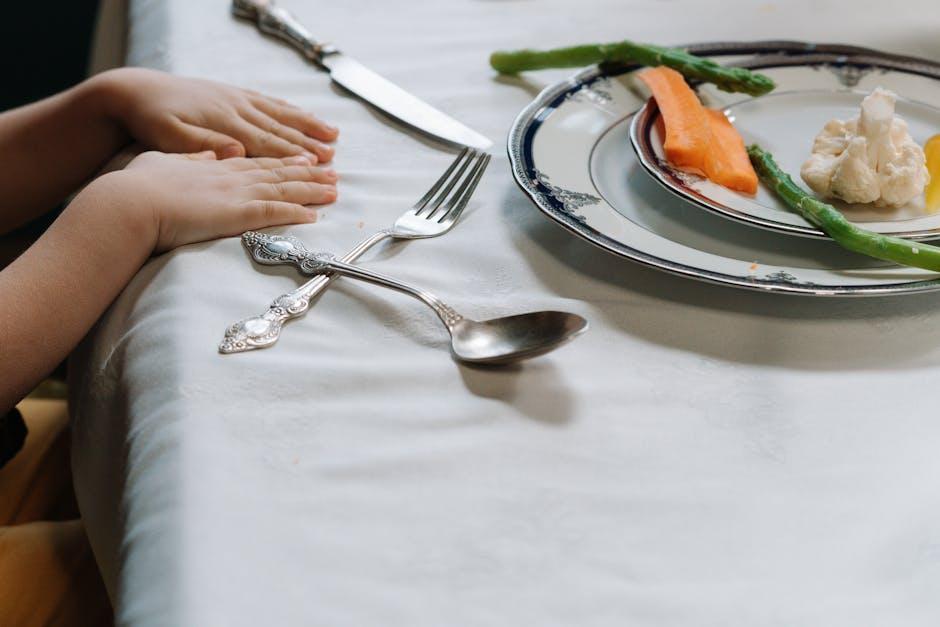
In the constant bustle of family life, finding meals that satisfy everyone’s tastes while supporting their health can feel like a complex puzzle. Enter the GAPS diet—a nutritional approach designed to heal the gut and nurture the body from within. But how do you translate its principles into a practical, nourishing family meal plan that appeals to both children and adults? This article explores creative ways to bring the GAPS diet to your family table, weaving together science-backed health benefits with everyday meals that your loved ones will actually enjoy. Whether you’re new to GAPS or looking to refresh your routine, join us as we build a thoughtful, flexible plan that supports wellness for all ages under one roof.
Table of Contents
- Family Meal Plan Essentials for Thriving on the GAPS Diet
- Balancing Nutrients and Flavors in Every Family Dinner
- Practical Tips for Preparing GAPS-Friendly Meals Ahead of Time
- Incorporating Seasonal and Local Ingredients to Enhance Healing
- Creative Snack Ideas to Keep Everyone Energized Between Meals
- Q&A
- Insights and Conclusions

Family Meal Plan Essentials for Thriving on the GAPS Diet
Creating a successful meal framework that caters to everyone on the GAPS diet requires a blend of strategic planning and creativity. Focusing on nutrient-dense, easy-to-digest foods is key, while ensuring variety keeps mealtimes exciting and satisfying for all family members. Incorporate homemade bone broths, fermented vegetables, and slow-cooked meats as staples to support gut healing and maintain energy throughout the day. Balancing these with fresh greens and simple herbal teas can ease digestion, making the transition smoother and more enjoyable.
Efficiency in the kitchen also paves the way for sticking to the diet long-term. Consider prepping core ingredients in bulk, such as roasting a whole chicken or fermenting a large batch of sauerkraut. An effective approach is to build your weekly shopping list around:
- Pasture-raised meats and wild-caught fish
- Organic vegetables and low-sugar fruits
- Fermented dairy items like homemade yogurt and kefir
- Healthy fats including ghee, coconut oil, and olive oil
| Meal | Quick Recipe Idea |
|---|---|
| Breakfast | GAPS-friendly bone broth egg soup |
| Lunch | Fermented vegetable salad with grilled chicken |
| Dinner | Slow-cooked beef stew with root vegetables |

Balancing Nutrients and Flavors in Every Family Dinner
Creating a family dinner that supports the GAPS diet while delighting everyone’s taste buds requires thoughtful planning. Start by integrating diverse sources of nutrients to ensure balance: gelatin-rich broths, fermented vegetables for probiotics, and plenty of fresh, organic vegetables. Each meal should not only prioritize gut healing but also maintain a harmony of textures and flavors—think crispy roasted chicken paired with creamy mashed cauliflower and a tangy sauerkraut salad. This blend of savory, sour, and nutrient-dense ingredients helps satisfy cravings while nourishing deeply.
To simplify your planning, consider this easy reference for balancing meals during the week:
| Meal Component | Example Food | Flavor Profile | Primary Benefit |
|---|---|---|---|
| Protein | Grass-fed Beef Stew | Hearty, Umami | Supports tissue repair |
| Vegetable | Steamed Spinach | Mild, Earthy | Rich in vitamins and minerals |
| Fermented | homemade Kimchi | Spicy, Tangy | Boosts gut flora |
| Fat | Grass-fed Butter | Rich, Creamy | Enhances absorption of nutrients |
- Rotate flavors: Swap herbs and spices such as dill, rosemary, and thyme to keep meals exciting.
- Mind the textures: Combining soft fermented veggies with crunchy nuts or seeds adds sensory appeal.
- Hydrate smartly: Bone broth-based soups not only comfort but add valuable gelatin and minerals.

Practical Tips for Preparing GAPS-Friendly Meals Ahead of Time
Batch cooking is your best ally when following the GAPS diet, especially for busy families. Focus on preparing staple ingredients like bone broth, sautéed vegetables, and fermented foods in advance. Store these essentials in clearly labeled glass containers to promote quick assembly of meals during the week. Take advantage of slow cookers or pressure cookers to tenderize tougher cuts of meat and extract rich nutrients with minimal hands-on time. Integrate freezer-friendly soups and stews into your meal prep routine—just heat and serve for fast, nourishing dinners.
To keep things organized and efficient, create a simple meal prep checklist that includes:
- Ingredient batch prep: peeling, chopping, soaking nuts or seeds
- Cooking staples in bulk: bone broth, homemade yogurt, sauerkraut
- Portioning meals: use BPA-free, freezer-safe containers for single servings
- Weekly menu planning: map out meals using prepped ingredients to reduce decision fatigue
| GAPS Prep Item | Prep Time | Storage Tips |
|---|---|---|
| Bone Broth | 8-12 hours slow cook | Freeze in ice cube trays for easy portions |
| Fermented Vegetables | 3-7 days fermentation | Keep refrigerated once complete |
| Sautéed Greens | 15-20 minutes | Store in airtight containers, consume within 3 days |
| Homemade Yogurt | 8-12 hours incubation | Refrigerate, consume within 1 week |

Incorporating Seasonal and Local Ingredients to Enhance Healing
Utilizing fresh, seasonal, and locally sourced ingredients is a cornerstone of optimizing the GAPS diet for whole-family healing. When foods are at their peak, they retain maximum nutrients, enzymes, and flavor, essential elements for gut restoration and immune support. By aligning meal plans with the natural harvest calendar, you not only enrich your dishes but also build a deeper connection to nature’s rhythms, which can promote holistic wellness.
Benefits of seasonal and local foods include:
- Higher nutrient density for improved recovery
- Reduced environmental impact and support for local farmers
- Enhanced flavor profiles that make meals more enjoyable for all ages
- Greater variety throughout the year, preventing dietary monotony
| Season | Key Ingredients | Healing Properties |
|---|---|---|
| Spring | Asparagus, radishes, nettles | Detoxifying, rich in antioxidants |
| Summer | Zucchini, berries, tomatoes | Hydrating, anti-inflammatory |
| Fall | Squash, apples, beets | Blood-building, gut-soothing |
| Winter | Root vegetables, kale, citrus | Immune-boosting, warming |

Creative Snack Ideas to Keep Everyone Energized Between Meals
Keeping energy levels steady throughout your busy day is easier with snacks that nourish and satisfy. Opt for nutrient-dense options packed with healthy fats, protein, and gut-healing ingredients to align perfectly with the GAPS diet philosophy. Consider crunchy slices of cucumber dipped in homemade fermented carrot and apple kraut, or nut butter spread on cucumber rounds for a quick fix that balances taste and nutrition. Egg muffins filled with sautéed greens and herbs make a convenient, warm choice you can prepare ahead of time, ensuring the whole family stays nourished and energized.
Get creative with textures and flavors by incorporating these tasty bites:
- Avocado boats topped with sauerkraut and a sprinkle of chia seeds
- Beef or turkey jerky made from grass-fed, organic sources
- Bone broth jelly cubes infused with herbs for a savory surprise
- Homemade coconut yogurt paired with fresh berries
| Snack | Key Benefits | Prep Time |
|---|---|---|
| Fermented Veggie Sticks | Probiotics, fiber | 10 mins |
| Egg Muffin Bites | Protein, vitamins | 20 mins |
| Avocado & Sauerkraut | Healthy fats, probiotics | 5 mins |
Q&A
Q: What is the GAPS diet, and how does it influence a family meal plan?
A: The GAPS (Gut and Psychology Syndrome) diet is designed to support digestive health and neurological function by focusing on nutrient-dense, easily digestible foods. For a family meal plan, it means emphasizing homemade soups, fermented vegetables, fresh meats, and avoiding processed foods, grains, and refined sugars to promote gut healing together.
Q: How can I create balanced meals for all family members on the GAPS diet?
A: Balance comes from combining protein-rich foods like bone broth and grass-fed meats with plenty of vegetables and natural fats such as homemade ghee or olive oil. Including fermented foods like sauerkraut or kefir provides probiotics, while avoiding foods that disrupt digestion keeps the meals gut-friendly for everyone.
Q: What are some kid-friendly meal ideas suitable for the GAPS diet?
A: Think colorful veggie soups, tender roasted chicken with mashed cauliflower, and homemade yogurt or fruit smoothies sweetened naturally with a little honey. Using familiar flavors and textures while introducing probiotic foods helps children adapt more easily and enjoy their meals.
Q: How do I manage meal prep without spending hours in the kitchen?
A: Meal prepping in batches, such as making large pots of bone broth or slow-cooked stews, can save time during busy weekdays. Freezing portions, chopping veggies in advance, and planning a rotating menu tailored to GAPS-approved ingredients reduces stress and keeps the family well-nourished.
Q: Are there any common challenges families face with the GAPS diet, and how can they be overcome?
A: One challenge is adjusting to the restricted food list and the initial detox period, which can cause cravings or digestive upset. Gradually introducing GAPS foods, involving family members in meal planning, and seeking creative recipes helps maintain motivation and ensures long-term success.
Q: Can the GAPS diet cater to special dietary needs within a family?
A: Yes, the GAPS diet is flexible enough to accommodate allergies and preferences by focusing on whole, natural foods. For example, dairy can be substituted with fermented coconut milk products, and meals can be adapted for vegetarians by emphasizing bone broth alternatives and fermented vegetables.
Q: How important is hydration in a family meal plan on the GAPS diet?
A: Hydration is key for gut health. Beyond water, including herbal teas or diluted fermented drinks supports digestion and nutrient absorption. Encouraging the whole family to drink fluids regularly complements the healing power of GAPS foods.
Insights and Conclusions
Crafting a family meal plan for the GAPS diet may seem like a puzzle at first, but with a little creativity and patience, it becomes a nourishing journey everyone can share. By embracing the core principles of gut healing and wholesome ingredients, you’re not just preparing meals—you’re building a foundation of wellness that stretches beyond the dinner table. Remember, each bite is a step toward balance, health, and togetherness. So, gather around, savor the flavors, and let your family’s GAPS meal plan be a canvas for both healing and connection.





Leave feedback about this