


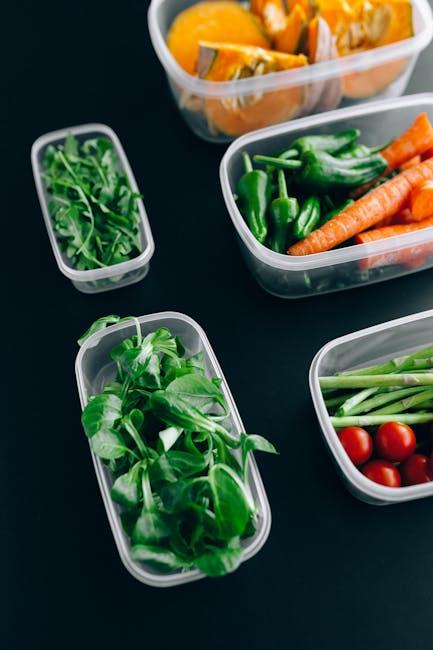
Embarking on the GAPS (Gut and Psychology Syndrome) diet is more than just a dietary change; it’s a thoughtful journey back to nourishing the body and mind through the healing power of food. Rooted in the idea that a healthy gut can profoundly influence overall well-being, the GAPS diet emphasizes specific ingredients that support digestion and restore balance. In this article, we will explore the essential foods that form the cornerstone of the GAPS diet, shedding light on their unique roles and why they deserve a place on your plate as you embark on this transformative path to wellness.
Table of Contents
- Understanding the Core Principles of the GAPS Diet
- Nutrient-Dense Foods that Support Gut Healing
- Best Fermented Foods for Digestive Health
- Incorporating Healthy Fats for Optimal Brain Function
- Smart Protein Choices to Enhance Recovery
- Q&A
- Concluding Remarks

Understanding the Core Principles of the GAPS Diet
The foundation of this nutritional approach lies in healing the gut by focusing on easily digestible, nutrient-dense foods that support the restoration of gut flora and reduce inflammation. At its heart is the emphasis on natural, whole foods that encourage gut lining repair and promote a balanced microbiome. Fermented foods, for instance, are key players as they introduce beneficial probiotics. Think homemade sauerkraut, kefir, and natural yogurt—these are more than flavors; they are living cultures that help replenish good bacteria.
Another vital element is the inclusion of bone broth and gelatin-rich foods that aid in sealing the gut lining. Rich in collagen and amino acids like glutamine, these components act as soothing agents for the intestinal tract. Below is a simple table highlighting core food categories and their primary gut-supportive benefits:
| Food Group | Key Benefits |
|---|---|
| Fermented Vegetables | Probiotic boost, improved digestion |
| Bone Broth | Gut lining repair, collagen source |
| Healthy Fats | Anti-inflammatory, supports brain health |
| Organic Meats & Fish | High-quality protein, nutrient-rich |
| Non-starchy Vegetables | Fiber, essential vitamins |

Nutrient-Dense Foods that Support Gut Healing
Healing your gut requires nourishing it with foods that are abundant in vitamins, minerals, and bioactive compounds. Bone broth, a cornerstone of this approach, is rich in collagen, gelatin, and amino acids like glutamine that help repair the intestinal lining. Fermented vegetables and homemade yogurt introduce beneficial probiotics that restore the delicate balance of gut flora, supporting digestion and immune health. Incorporating grass-fed meats and wild-caught fish provides essential omega-3 fatty acids and zinc, both critical for reducing inflammation and promoting tissue regeneration.
Beyond individual superfoods, combining nutrient powerhouses can amplify healing benefits. Consider the following options to enrich your diet:
- Organ meats: liver and heart for concentrated vitamins A and B12
- Cruciferous veggies: cabbage and kale for fiber and antioxidants
- Egg yolks: packed with choline and healthy fats
- Healthy fats: coconut oil and olive oil for gut barrier integrity
| Food | Key Nutrients | Healing Role |
|---|---|---|
| Bone Broth | Collagen, Glutamine | Repairs gut lining |
| Fermented Vegetables | Probiotics, Enzymes | Restores microbiome |
| Grass-fed Meat | Omega-3, Zinc | Reduces inflammation |
| Egg Yolks | Choline, Healthy Fats | Supports cell membrane |

Best Fermented Foods for Digestive Health
In the realm of supporting gut health through diet, fermented foods are nothing short of a powerhouse. These probiotic-rich treasures bring a natural array of beneficial bacteria that help restore and maintain optimal digestive function. Including fermented vegetables like sauerkraut and kimchi introduces a vibrant mix of enzymes and acids that gently nurture the microbiome, while also aiding digestion and enhancing nutrient absorption. Similarly, traditional recipes involving kefir and homemade yogurt contribute a creamy source of probiotics, offering both flavor and healing properties that align beautifully with the GAPS protocol.
When selecting fermented foods for your daily regimen, consider variety and quality. Here’s a quick guide to some of the best options, highlighting their unique benefits:
- Kefir: Loaded with diverse probiotic strains, excellent for restoring gut flora.
- Sauerkraut: Rich in vitamins C and K, supports digestion with healthy acids.
- Kombucha: A refreshing fermented tea that aids in detoxification and encourages balance.
- Kimchi: Spicy and nutrient-dense, this Korean staple stimulates digestive enzymes.
- Fermented Pickles: Crisp and packed with probiotics when made naturally without vinegar.
| Fermented Food | Key Benefit | Ideal GAPS Use |
|---|---|---|
| Kefir | Diverse probiotic profile | Daily probiotic boost |
| Sauerkraut | Rich in enzymes & vitamins | Digestive aid with meals |
| Kimchi | Stimulates bile production | Enhance fat digestion |

Incorporating Healthy Fats for Optimal Brain Function
Healthy fats play a pivotal role in nourishing the brain, providing the essential nutrients needed for cognitive clarity, memory enhancement, and overall neural health. When following the GAPS diet, incorporating sources rich in omega-3 fatty acids and monounsaturated fats is crucial. These fats support the intricate cellular function within the brain, reduce inflammation, and help maintain the protective myelin sheath surrounding neurons. Foods such as wild-caught fish, organic avocados, and raw nuts are natural powerhouses packed with beneficial lipids that fuel mental sharpness and focus.
Beyond just fueling brain cells, these healthy fats facilitate the absorption of fat-soluble vitamins, which are vital for brain development and neurotransmitter balance. Consider integrating these key foods into your daily routine:
- Extra virgin olive oil – Ideal for drizzling over salads or lightly cooking vegetables
- Grass-fed butter or ghee – Rich in conjugated linoleic acid and vitamins A, D, and K2
- Flaxseeds and chia seeds – Excellent plant-based omega-3 sources perfect for blending into smoothies
- Coconut oil – Supports brain metabolism and provides quick energy through medium-chain triglycerides (MCTs)

Smart Protein Choices to Enhance Recovery
Incorporating the right proteins into your diet accelerates healing and supports gut restoration on the GAPS diet. Opt for sustainably sourced, high-quality proteins such as grass-fed beef, free-range poultry, and wild-caught fish. These choices are rich in essential amino acids needed for tissue repair and immune function. Bone broth is another powerhouse protein, loaded with collagen and gelatin, which soothes the digestive tract while providing vital nutrients for recovery.
To maximize benefits, consider these smart protein options that align perfectly with GAPS principles:
- Grass-fed lamb – packed with omega-3s and minerals
- Pasture-raised eggs – complete protein and choline
- Fermented dairy – promotes beneficial gut flora
- Shellfish – zinc-rich for immune defense
| Protein Source | Key Benefit | Recovery Role |
|---|---|---|
| Bone Broth | Collagen & Gelatin | Repairs gut lining |
| Grass-fed Beef | Omega-3 & Amino Acids | Reduces inflammation |
| Pasture Eggs | Complete Protein | Supports muscle rebuilding |
Q&A
Q&A: Essential Foods for the GAPS Diet
Q1: What is the GAPS diet, and why focus on essential foods?
A1: The GAPS (Gut and Psychology Syndrome) diet is a nutritional protocol designed to heal the gut lining and restore digestive health, often helping with neurological and autoimmune conditions. Focusing on essential foods ensures you provide your body with the most supportive nutrients to promote gut repair and overall well-being.
Q2: Which foods are considered essential on the GAPS diet?
A2: The cornerstone foods include homemade bone broth, fermented vegetables, high-quality meats and fish, fresh organic vegetables, healthy fats like coconut oil and ghee, and probiotic-rich dairy if tolerated. These foods nourish the gut lining, reduce inflammation, and introduce beneficial bacteria.
Q3: Why is bone broth so important on the GAPS diet?
A3: Bone broth is packed with collagen, gelatin, and amino acids like glutamine, which help seal and heal the intestinal wall. It’s easy to digest and deeply nourishing, serving as a healing elixir that nourishes from within.
Q4: Are fermented foods really necessary?
A4: Absolutely. Fermented foods such as sauerkraut, kefir, and yogurt provide beneficial probiotics that repopulate the gut with healthy bacteria. This balance is crucial for digestion, immune function, and mood regulation, core goals of the GAPS diet.
Q5: What role do fats play in the GAPS diet?
A5: Healthy fats like coconut oil, olive oil, and clarified butter (ghee) offer energy and support cell membranes in the gut lining. They also have antimicrobial properties that help balance harmful bacteria, making them essential allies in gut repair.
Q6: Can vegetables be included freely on the GAPS diet?
A6: While vegetables are vital, early stages of the GAPS diet emphasize well-cooked, non-starchy veggies to reduce digestive burden. As healing progresses, raw fermented and fresh organic vegetables can be added to supply fiber and nutrients for ongoing gut health.
Q7: What proteins are preferred on the GAPS diet?
A7: Grass-fed meats, wild-caught fish, free-range poultry, and eggs are preferred because they are less likely to carry toxins and are rich in nutrients that support healing. Organ meats, like liver, are also encouraged for their dense vitamin and mineral content.
Q8: Are there any essential foods to avoid?
A8: The GAPS diet excludes processed foods, grains, refined sugars, starches, and industrial seed oils. These can irritate the gut lining and feed harmful bacteria, hindering the healing process.
Q9: How does the GAPS diet’s food approach benefit psychological well-being?
A9: Healing the gut through targeted nutrition helps balance neurotransmitter production and reduce inflammation, which can positively influence mood, cognition, and behavior. Essential gut-healing foods thus indirectly support mental health.
Q10: Where should one start when incorporating essential GAPS foods?
A10: Begin with homemade bone broth, slowly adding fermented vegetables and gentle, well-cooked proteins and fats. Patience is key—this diet is a gradual journey toward restoring balance and vitality, one nourishing bite at a time.
Concluding Remarks
As you embark on your journey with the GAPS diet, remember that the foods you choose are more than just nourishment—they are the building blocks of healing and restoration. Embracing these essential ingredients not only supports your gut but also invites a renewed sense of balance and vitality into your life. By thoughtfully integrating these foods, you create a personal recipe for wellness that honors both tradition and science. Ultimately, the path to digestive harmony starts on your plate, one mindful bite at a time.





Leave feedback about this