


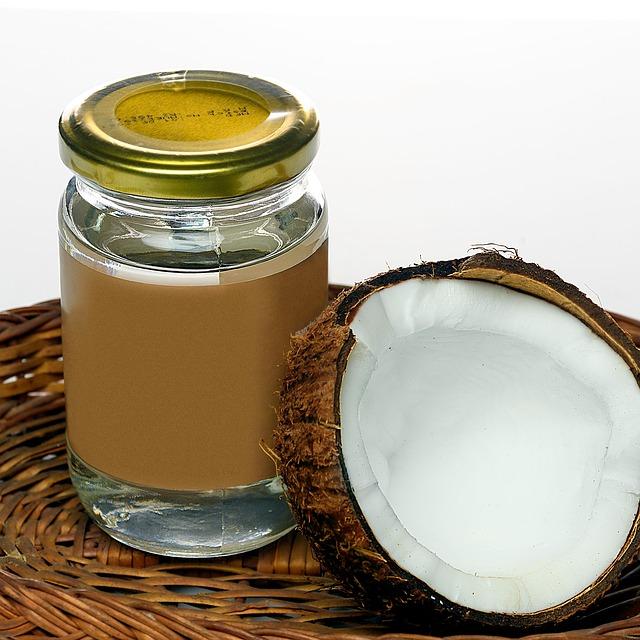
In the vibrant world of keto, where fats reign supreme and carbs take a backseat, the choice of cooking oil can make all the difference. Beyond just flavor, the right oil fuels your body’s state of ketosis, supports overall health, and transforms everyday meals into nutrient-packed delights. But with so many options lining grocery store shelves, how do you pinpoint the best oils to complement your keto journey? This guide peels back the layers—literally and figuratively—helping you navigate the rich, varied world of cooking oils to find those perfect fats that align with your low-carb lifestyle.
Table of Contents
- Understanding the Role of Fats in a Keto Lifestyle
- Key Characteristics That Make Cooking Oils Keto-Friendly
- Exploring the Health Benefits and Drawbacks of Popular Keto Oils
- Best Oils for High-Heat Cooking Versus Cold Uses in Keto Recipes
- Practical Tips for Incorporating Oils Seamlessly into Your Keto Meals
- Q&A
- The Conclusion

Understanding the Role of Fats in a Keto Lifestyle
Fats are the cornerstone of a ketogenic lifestyle, serving as both the primary energy source and a key player in maintaining metabolic balance. Unlike the traditional diet that prioritizes carbohydrates, keto shifts the body’s fuel preference to fats, encouraging the breakdown of fatty acids into ketones. This process not only sustains energy levels but also promotes satiety, helping with weight management and cognitive clarity. Understanding the types of fats you incorporate into your meals can profoundly impact your keto journey, influencing both your overall health and the effectiveness of your dietary regimen.
When choosing cooking oils, it’s essential to focus on quality and stability under heat. Saturated and monounsaturated fats tend to be the most keto-friendly, as they resist oxidation and retain their beneficial properties during cooking. Here are some excellent options to consider:
- Avocado Oil: Rich in monounsaturated fats and ideal for high-heat cooking.
- Coconut Oil: Contains medium-chain triglycerides (MCTs) that are efficiently converted into energy.
- Olive Oil: Best used raw or for low-heat cooking to maximize antioxidants.
| Oil | Type of Fat | Smoke Point | Best Use |
|---|---|---|---|
| Avocado Oil | Monounsaturated | 520°F (271°C) | High-heat cooking |
| Coconut Oil | Saturated (MCT) | 350°F (177°C) | Sautéing, baking |
| Olive Oil | Monounsaturated | 375°F (190°C) | Salads, low-heat cooking |
Key Characteristics That Make Cooking Oils Keto-Friendly
Keto-friendly cooking oils are primarily defined by their high fat content and low to zero carbohydrates, making them perfect for sustaining ketosis. These oils typically have a high concentration of saturated and monounsaturated fats, which the body efficiently converts into energy. Additionally, a stable smoke point is key to maintaining the oil’s nutritional benefits during cooking—low smoke point oils can degrade and produce harmful compounds. Oils that are rich in medium-chain triglycerides (MCTs) are especially prized on keto since MCTs are rapidly metabolized and can boost ketone production, offering an energy surge with minimal digestive burden.
Another vital characteristic lies in the oil’s fatty acid profile. Oils abundant in omega-9s (monounsaturated fats) and low in polyunsaturated fats tend to be more stable and less prone to oxidation, which supports overall health. Furthermore, naturally occurring antioxidants, such as vitamin E, protect the oil from rancidity and bolster its shelf life. Below is a quick snapshot of desirable traits that define keto-friendly oils:
- High in saturated and monounsaturated fats
- Low in carbohydrates and sugars
- Contains medium-chain triglycerides (MCTs) when possible
- Stable at high cooking temperatures (high smoke point)
- Rich in natural antioxidants like Vitamin E
- Minimal processing to retain nutrients
Exploring the Health Benefits and Drawbacks of Popular Keto Oils
When selecting oils for a ketogenic lifestyle, it’s important to weigh both their nutritional profiles and their practical cooking applications. MCT oil, derived from coconut, is celebrated for its rapid conversion into ketones, providing an immediate energy boost that helps maintain ketosis. However, its low smoke point makes it unsuitable for high-heat cooking. On the other hand, avocado oil boasts a high smoke point and heart-healthy monounsaturated fats, making it ideal for sautéing and frying while supporting cardiovascular health. Yet, it’s important to use it sparingly to avoid excessive calorie intake, which can slow weight loss.
While olive oil remains a staple in many keto kitchens due to its antioxidant-rich content and anti-inflammatory properties, it’s best reserved for dressings or low-heat cooking to preserve its benefits. Conversely, oils like vegetable or canola oil might be tempting due to affordability and availability but often undergo heavy processing and contain higher levels of omega-6 fatty acids, which, if consumed excessively, can promote inflammation and disrupt the keto balance. Below is a quick rundown to help visualize key differences:
| Oil Type | Main Benefits | Primary Drawbacks | Best Use |
|---|---|---|---|
| MCT Oil | Fast ketone production Energy boost |
Low smoke point Gastrointestinal discomfort (if overused) |
Cold dishes, smoothies |
| Avocado Oil | High smoke point Heart-healthy fats |
Calorie-dense | Frying, roasting |
| Olive Oil | Rich in antioxidants Anti-inflammatory |
Low smoke point | Dressings, light sautéing |
| Canola Oil | Cost-effective Neutral flavor |
High omega-6 Highly processed |
Occasional use |
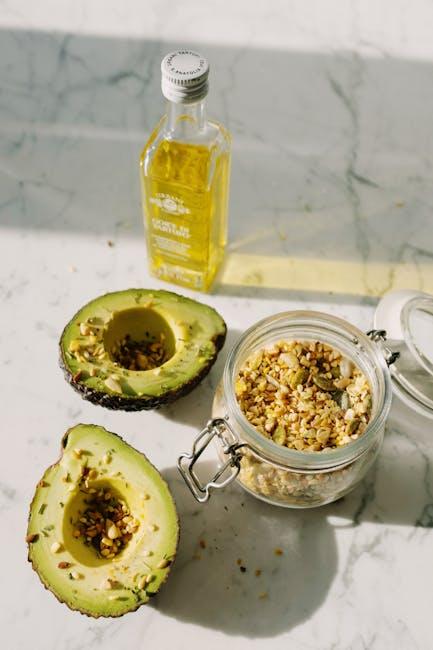
Best Oils for High-Heat Cooking Versus Cold Uses in Keto Recipes
When it comes to high-heat cooking on a keto diet, the key is selecting oils with a high smoke point to preserve both flavor and nutritional integrity. Oils like avocado oil and refined coconut oil shine in this category, boasting smoke points above 400°F, making them ideal for frying, sautéing, or roasting. These oils remain stable under intense heat, ensuring your dishes turn out crisp and delicious without harmful oxidation. Additionally, ghee, a clarified form of butter, is prized not only for its rich, nutty flavor but also for its impressive heat tolerance, perfect for whipping up keto-friendly stir-fries or searing fatty cuts of meat.
Conversely, oils reserved for cold applications add vibrant flavor and healthful fats to keto salads, dressings, and dips. Cold-pressed oils like extra virgin olive oil and flaxseed oil contain delicate compounds that can degrade under heat but shine when drizzled raw. These oils bring a depth of antioxidants and omega-3 fatty acids to the table, enhancing both taste and wellbeing. Below is a quick guide to help you match your oil to its best culinary use:
| Oil | Ideal Use | Smoke Point (°F) | Best for Keto Reason |
|---|---|---|---|
| Avocado Oil | High-heat cooking | 520 | Stable fats, neutral taste |
| Refined Coconut Oil | High-heat cooking | 450 | Medium-chain triglycerides (MCTs) |
| Ghee | High-heat cooking | 485 | Rich butter flavor, no milk solids |
| Extra Virgin Olive Oil | Cold uses / low heat | 375 | Antioxidants, heart-healthy fats |
| Flaxseed Oil | Cold uses | 225 | High omega-3 content |
- Tip: Use high-heat oils for frying or roasting to maintain oil integrity and flavor.
- Tip: Save delicate oils for drizzling over salads, or mixing into sauces to maximize their nutritional potential.
Practical Tips for Incorporating Oils Seamlessly into Your Keto Meals
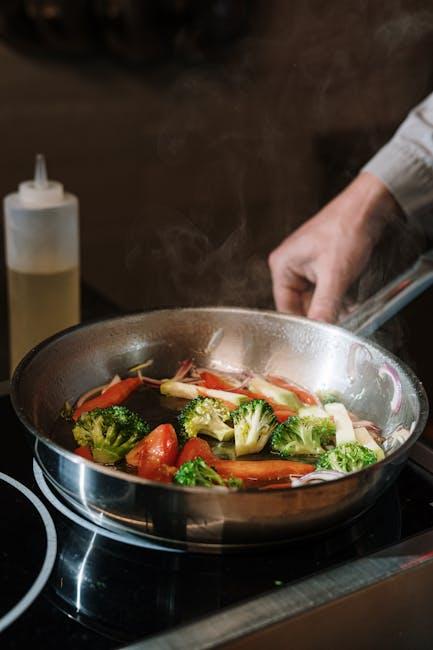
Embracing healthy fats is essential for the keto lifestyle, and incorporating oils into your meals can be both effortless and delicious. Start by choosing oils that complement your dish’s flavor and cooking method—use extra virgin olive oil for drizzling over salads or finishing roasted vegetables, while avocado oil is perfect for high-heat cooking like sautéing or frying. To maintain variety, rotate between oils rich in monounsaturated fats and medium-chain triglycerides (MCTs). This not only enhances taste but also supports sustained energy levels throughout the day. Consider keeping a small selection of oils within easy reach to inspire creativity during meal prep.
Integrating oils doesn’t have to be complicated. Here are a few practical ways to add healthy fats without overpowering your dishes:
- Boost morning coffees or smoothies with a teaspoon of MCT oil for a satisfying energy kick.
- Use flavored oils such as garlic-infused or herb-infused olive oil to elevate bland meals effortlessly.
- Substitute butter with oils in keto baking for a lighter texture and subtle flavor depth.
- Whisk dressings with a mix of vinegar and your favorite keto-friendly oils for vibrant salads that stay within your macros.
| Oil | Best Use | Smoke Point | Benefits |
|---|---|---|---|
| Extra Virgin Olive Oil | Dressings, low-heat sauté | 375°F (190°C) | Rich in antioxidants |
| Avocado Oil | High-heat cooking | 520°F (271°C) | High in monounsaturated fats |
| MCT Oil | Smoothies, coffee | Does not cook well | Quick energy source |
| Coconut Oil | Baking, frying | 350°F (177°C) | Contains lauric acid |
Q&A
Q: Why is choosing the right cooking oil important on a keto diet?
A: On a keto diet, fats become your primary fuel source, so you want oils that support ketosis and provide healthy fats. The right oil boosts your energy, aids fat absorption, and complements the low-carb lifestyle without spiking inflammation.
Q: What types of fats should I look for in keto-friendly oils?
A: Focus on oils rich in monounsaturated and saturated fats. These fats are stable during cooking and help maintain ketosis. Avoid oils high in polyunsaturated fats that oxidize easily, which may cause oxidative stress.
Q: Which cooking oils are considered best for keto cooking?
A: Top picks include avocado oil, extra virgin olive oil, coconut oil, and ghee. Each offers a unique fat profile and cooking benefits:
- Avocado oil: High smoke point, rich in monounsaturated fats. Great for frying and sautéing.
- Extra virgin olive oil: Loaded with antioxidants and heart-healthy fats. Best for salads and low-heat cooking.
- Coconut oil: Contains medium-chain triglycerides (MCTs) that can boost ketone production. Suitable for baking and medium-heat cooking.
- Ghee: Clarified butter with a high smoke point, perfect for high-heat cooking and adds buttery flavor.
Q: Are there any oils I should avoid on keto?
A: Yes. Avoid vegetable oils like soybean, corn, and canola oils as they are high in omega-6 polyunsaturated fats, which may promote inflammation and are prone to oxidation at high heat.
Q: Can I use butter or animal fats for keto cooking?
A: Absolutely! Butter, lard, and tallow are excellent keto options. They provide saturated fats that stabilize ketosis and impart rich flavors to dishes. Just keep an eye on quality — grass-fed is preferable.
Q: How does the smoke point of an oil affect keto cooking?
A: The smoke point is the temperature at which oil begins to break down and produce harmful compounds. For keto, choosing oils with a high smoke point ensures healthy cooking, especially for frying or roasting, without damaging the fats.
Q: Can I mix different oils for cooking on keto?
A: Yes, blending oils can balance flavors and fat types. For example, mixing avocado oil with extra virgin olive oil can combine a high smoke point with antioxidant benefits. Just keep portions moderate and varied.
Q: Is flavor important when selecting keto cooking oils?
A: Definitely! Oils with distinct flavors, like nutty avocado or buttery ghee, enhance your meals and make keto eating more enjoyable. Taste preference matters — the best oil is one you love cooking with.
Q: How should I store my keto cooking oils?
A: Store oils in cool, dark places to preserve freshness and prevent rancidity. Some oils, like extra virgin olive oil, do best in opaque bottles away from heat. Avoid prolonged exposure to light and air.
Q: Can keto cooking oils offer additional health benefits?
A: Many do! For example, extra virgin olive oil contains antioxidants and anti-inflammatory compounds. Coconut oil’s MCTs may boost metabolism and brain health. Choosing the right oils can enhance both flavor and wellness on keto.
The Conclusion
In the world of keto, where fats take center stage, choosing the right cooking oil is more than just a culinary decision—it’s a key to unlocking both flavor and health. Whether you favor the buttery richness of avocado oil or the subtle comfort of coconut oil, understanding each oil’s unique properties helps you cook with confidence and nourish your body. As you experiment and discover your favorites, remember that the best cooking oil is the one that complements your taste, supports your goals, and keeps your keto journey deliciously on track. So, pick your bottle wisely, and let your kitchen become a playground of healthy fats and vibrant flavors.



Leave feedback about this