


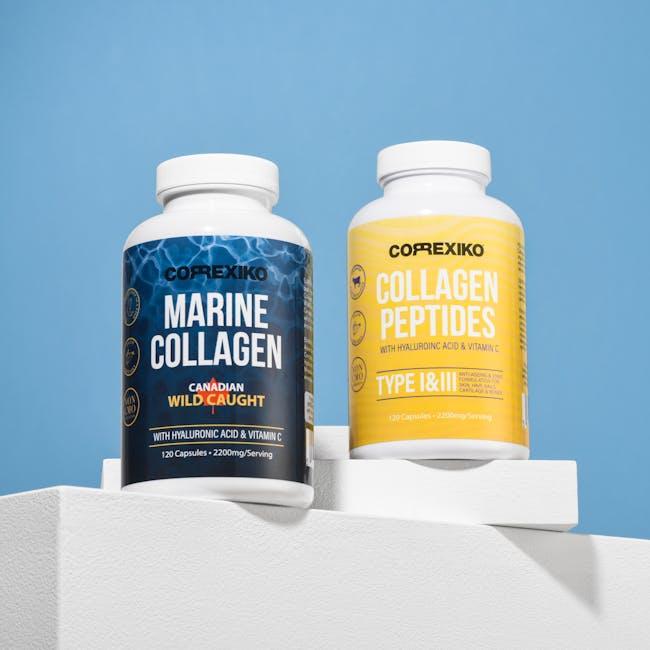
In a world brimming with vitamins, minerals, and mysterious blends promising everything from boundless energy to sharper focus, supplement labels can often feel like cryptic maps. Decoding these compact packets of information is essential for anyone seeking to make informed choices about their health. Understanding how to read supplement labels not only empowers you to navigate the vast sea of options but also ensures that what you put into your body truly aligns with your wellness goals. This guide will illuminate the key elements found on supplement packaging, unravel common jargon, and equip you with the tools to approach your next purchase with confidence and clarity.
Table of Contents
- Understanding Supplement Ingredients and Their Functions
- Decoding Serving Sizes and Daily Value Percentages
- Identifying Quality Certifications and Safety Seals
- Spotting Hidden Fillers and Potential Allergens
- Interpreting Expiration Dates and Storage Instructions
- Q&A
- Final Thoughts

Understanding Supplement Ingredients and Their Functions
When you glance at a supplement label, you’re met with a spectrum of ingredients, each promising unique benefits. To truly grasp what you’re consuming, it helps to break down some common components and their roles. Active ingredients are the primary compounds responsible for the supplement’s intended effect — think of vitamins, minerals, herbs, or amino acids. Alongside these, you’ll find inactive ingredients, such as fillers, binders, and preservatives, which maintain the product’s texture and shelf life but don’t influence its effectiveness. Understanding these distinctions can empower you to make smarter choices.
Here’s a quick guide to frequently seen supplement ingredients and what they do:
- Vitamin C: Supports immune health and skin repair.
- Magnesium: Aids muscle function and energy production.
- Omega-3 fatty acids: Promote heart and brain health.
- Probiotics: Balance gut flora and improve digestion.
- Herbal extracts (e.g., turmeric, ginseng): Often included for anti-inflammatory or energy-boosting effects.
| Ingredient | Main Function | Common Form |
|---|---|---|
| Calcium | Bone strength | Calcium carbonate |
| Vitamin D | Enhances calcium absorption | Cholecalciferol (D3) |
| CoQ10 | Energy production | Ubiquinone |

Decoding Serving Sizes and Daily Value Percentages
Understanding serving sizes is crucial when interpreting supplement labels. The serving size indicates the amount typically consumed at one time and sets the foundation for all nutrient calculations on the label. Often, the serving size may seem smaller or larger than you expect—this can be intentional, to standardize measurements or encourage specific dosage. Pay close attention to whether the label states “per capsule,” “per teaspoon,” or “per serving,” as this clarifies exactly how much of the product you should take to achieve the listed nutrient intake.
Daily Value (DV) percentages offer a quick snapshot of how much a nutrient in one serving contributes to your total daily nutritional needs, based on a 2,000-calorie diet. These percentages help you compare supplements easily but remember they are generalized and may not fit everyone’s unique requirements. Here’s a quick guide to interpret DV percentages effectively:
- 5% DV or less = Low nutrient content
- 10-19% DV = Good source of the nutrient
- 20% DV or more = High nutrient content
| DV % Range | Meaning | Examples |
|---|---|---|
| 0-5% | Low | Calcium, Iron |
| 10-19% | Moderate | Vitamin C, Magnesium |
| 20%+ | High | Vitamin D, Zinc |

Identifying Quality Certifications and Safety Seals
When browsing supplement labels, spotting quality certifications and safety seals is a crucial step in ensuring the product you choose meets industry standards. These badges are often displayed prominently and serve as a mark of trust and accountability. Look for well-known certifications such as NSF International, USP Verified, or GMP (Good Manufacturing Practices) approval, as these organizations test supplements for potency, purity, and manufacturing quality. These seals function like a stamp of integrity, giving you peace of mind that the product has undergone rigorous evaluation beyond just the label claims.
To help decipher these identifiers, here’s a quick overview of common marks you might encounter:
| Certification | Meaning | What It Ensures |
|---|---|---|
| NSF International | Third-party testing | Product purity & label accuracy |
| USP Verified | Ingredient verification | Consistency & potency |
| GMP Certified | Manufacturing standards | Safe, quality production |
| Non-GMO Project | Ingredient sourcing | No genetically modified organisms |
| Organic Seal | Farming practices | Natural & pesticide-free |
Keep an eye out for these seals as clues to a supplement’s safety and quality. Absence of certification doesn’t always mean a product is unsafe, but verified supplements typically undergo more stringent oversight, which is reassuring when it comes to your health.

Spotting Hidden Fillers and Potential Allergens
When examining supplement labels, it’s crucial to remain vigilant about ingredients that aren’t immediately obvious. Many products list fillers or binders under vague names like “maltodextrin,” “magnesium stearate,” or “cellulose.” These ingredients, while common, can sometimes cause digestive issues or allergic reactions in sensitive individuals. Don’t overlook subtle indicators like “proprietary blend,” which may mask the presence of less desirable additives or artificial substances. Taking a moment to research unfamiliar ingredients can save you from unwanted side effects and boost the overall effectiveness of your regimen.
Potential allergens may also be hidden in multisyllabic chemical names or botanical extracts. Ingredients such as soy lecithin, gluten derivatives, dairy components, and even nuts can be camouflaged in complex terms. To make the process easier, create a mental checklist of common allergens and keep an eye out for synonymous terms. Here’s a handy reference table to help spot some frequent hidden allergens and fillers:
| Common Hidden Ingredient | Possible Source | Potential Allergen |
|---|---|---|
| Maltodextrin | Corn or Wheat | Gluten (if wheat-based) |
| Sodium Caseinate | Dairy Protein | Milk |
| Soy Lecithin | Soybean | Soy |
| Natural Flavors | Varied (including nuts) | Possible Nut Allergens |
| Gelatin | Animal Collagen | Animal-Derived (not vegan) |

Interpreting Expiration Dates and Storage Instructions
Understanding the expiration date on supplement labels is crucial to ensure both safety and effectiveness. These dates often come in two formats: “Best by” and “Use by”. The “Best by” date suggests when the product will maintain its highest potency and quality, while the “Use by” date indicates the last day the manufacturer guarantees full safety and efficacy. Storing supplements past these dates may result in reduced benefits, altered taste, or even potential health risks. Always double-check this information before consumption, and remember that proper storage can sometimes extend shelf life beyond the printed date.
Storage instructions are equally important in preserving supplement integrity. Most supplements thrive in cool, dry environments away from direct sunlight, as heat and moisture can degrade active ingredients quickly. Some items like probiotics and omega-3 capsules may require refrigeration to maintain their potency. Below is a quick reference guide to common storage recommendations:
| Supplement Type | Recommended Storage |
|---|---|
| Vitamins (e.g., C, D, B12) | Cool, dry place |
| Probiotics | Refrigerate after opening |
| Fish Oil / Omega-3 | Keep refrigerated, away from light |
| Herbal Extracts | Store at room temperature, away from heat |
Q&A
Q: Why is it important to read supplement labels carefully?
A: Think of supplement labels as your roadmap to health—they reveal the dosages, ingredients, and possible allergens. Reading them ensures you know exactly what you’re putting into your body, helping to avoid unwanted side effects or interactions with other medications.
Q: What key information should I look for on a supplement label?
A: Start with the Supplement Facts panel—this is where you’ll find the active ingredients and their amounts per serving. Also, check the serving size, daily value percentages (%DV), expiration date, and any warning or allergy statements.
Q: How do I understand the % Daily Value (%DV) on a supplement label?
A: The %DV tells you how much of a nutrient in one serving contributes to your daily recommended intake. For example, if a label shows 50% DV of Vitamin C, one serving covers half the typical daily need. It helps you avoid both deficiencies and excesses.
Q: What if the labels contain unfamiliar ingredient names?
A: Many ingredients go by scientific or technical names. A quick online search or asking a healthcare professional can clarify what these substances are and why they’re included. Some may be beneficial, others inert fillers, or even risky additives.
Q: Are all supplements regulated in the same way?
A: Unlike prescription drugs, supplements aren’t tightly regulated by the FDA for safety or efficacy before they hit the shelves. Labels must be truthful, but quality and accuracy can vary, so purchasing from reputable brands is essential.
Q: How can I spot misleading claims on supplement labels?
A: Watch out for labels promising quick cures, miracle results, or “FDA-approved” claims for supplements—they’re likely exaggerations. Legitimate supplements will list ingredients and dosages without making bold medical promises.
Q: Should I consult a professional before starting any supplement?
A: Absolutely. A doctor or registered dietitian can help interpret label information in the context of your health needs and existing medications, ensuring your supplement choices are safe and effective.
Q: What does “proprietary blend” mean on a label, and should I be cautious?
A: Proprietary blends lump several ingredients into one total weight without revealing amounts for each. This can mask small or ineffective doses—and occasionally risky ingredients. Transparency is key, so it’s wise to approach these blends with caution.
Q: How often should I re-check supplement labels?
A: Labels can change with new formulations or updated research. Each time you buy a supplement, especially from a new batch or brand, review the label to confirm the ingredients and dosages remain consistent with your needs.
Q: What’s the takeaway for reading supplement labels?
A: Reading supplement labels attentively turns guesswork into informed decisions. It empowers you to select products that truly support your health, avoiding surprises and making your wellness journey more purposeful and safe.
Final Thoughts
Navigating the world of supplement labels can feel like deciphering a secret code—but with a bit of practice and attention, it becomes a powerful tool for making informed choices. Remember, every label tells a story about what you’re putting into your body, revealing essential details that go beyond the promises on the front. By honing your label-reading skills, you empower yourself to pick supplements that align with your health goals, ensuring that what you take works for you, not against you. So next time you’re faced with a dizzying array of bottles and claims, pause, read thoughtfully, and let knowledge be your guide on the journey to wellness.





Leave feedback about this