


In the quiet, complex battleground within our bodies, inflammation plays a paradoxical role—both guardian and adversary. While acute inflammation is a natural and necessary response to injury or infection, chronic inflammation can quietly undermine health, fueling a host of ailments from joint pain to cardiovascular disease. In recent years, the quest to soothe this persistent internal flame has led many to explore a variety of supplements, each promising to calm the storm and restore balance. This article delves into the world of supplements designed to reduce inflammation, examining their potential benefits, scientific backing, and how they might fit into a broader strategy for wellness. Whether you’re seeking relief from chronic discomfort or simply aiming to support your body’s natural defenses, understanding these natural allies could illuminate a path to greater comfort and vitality.
Table of Contents
- Understanding Inflammation and Its Impact on Health
- Key Nutrients That Act as Natural Anti-Inflammatories
- Herbal Supplements Backed by Scientific Research
- Choosing the Right Supplement: Safety and Dosage Considerations
- Integrating Supplements with Lifestyle Changes for Optimal Results
- Q&A
- Concluding Remarks
Understanding Inflammation and Its Impact on Health
Inflammation is a natural defense mechanism triggered by the body in response to injury or infection. While acute inflammation is essential for healing, chronic inflammation can silently undermine health by contributing to conditions such as heart disease, arthritis, and even certain cancers. It often manifests through persistent redness, swelling, and pain but can also occur silently at a cellular level, making it crucial to understand and manage its effects effectively. Recognizing how lifestyle, diet, and environmental factors influence inflammatory processes can empower individuals to take proactive steps toward reducing harm and enhancing overall well-being.
To combat chronic inflammation, many turn to dietary supplements that support the body’s ability to regulate its immune response. Some supplements, renowned for their anti-inflammatory properties, work by mitigating oxidative stress and modulating inflammatory pathways. Incorporating these into a balanced regimen may help soothe inflammation and promote cellular health. Here are a few scientifically supported options:
- Omega-3 Fatty Acids: Found in fish oil, known for reducing cytokines and inflammation markers.
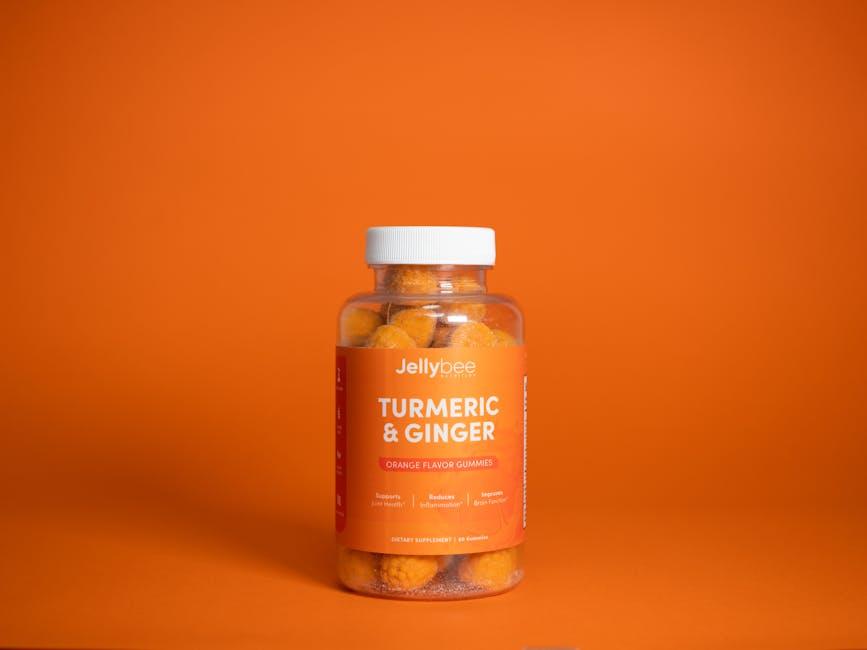
- Turmeric (Curcumin): Contains powerful antioxidants that inhibit inflammatory enzymes.
- Ginger Extract: Helps block inflammatory compounds in the body.
- Resveratrol: A polyphenol that acts on multiple inflammatory pathways.
| Supplement | Primary Benefit | Common Dosage |
|---|---|---|
| Omega-3 Fish Oil | Reduces joint inflammation | 1000 mg/day |
| Turmeric (Curcumin) | Antioxidant & anti-inflammatory | 500-1000 mg/day |
| Ginger | Digestive and joint support | 250-500 mg/day |
| Resveratrol | Cellular inflammation reduction | 150-300 mg/day |

Key Nutrients That Act as Natural Anti-Inflammatories
In the quest to quell inflammation naturally, certain nutrients stand out as powerful allies. Omega-3 fatty acids, commonly found in fish oil and flaxseeds, play a vital role in reducing the production of inflammatory chemicals in the body. These essential fats not only soothe chronic inflammation but also promote heart and brain health. Meanwhile, curcumin, the active compound in turmeric, is celebrated for its antioxidant properties and ability to target multiple inflammatory pathways simultaneously.
Beyond these star players, a host of other nutrients contribute substantially to calming inflammation. Vitamin D enhances immune regulation, helping prevent chronic inflammatory responses. Polyphenols, abundant in colorful fruits and green tea, provide potent antioxidant benefits, neutralizing oxidative stress that can trigger inflammation. To visualize the impact of these nutrients, refer to the table below:
| Nutrient | Sources | Primary Benefit |
|---|---|---|
| Omega-3 Fatty Acids | Salmon, Flaxseeds, Walnuts | Reduces inflammatory cytokines |
| Curcumin | Turmeric Root | Blocks inflammatory enzymes |
| Vitamin D | Sunlight, Fortified Milk | Modulates immune response |
| Polyphenols | Berries, Green Tea | Neutralizes free radicals |

Herbal Supplements Backed by Scientific Research
Nature offers a bounty of powerful herbs that show promise in combating inflammation, supported by a growing body of scientific evidence. Turmeric, famous for its active compound curcumin, is extensively studied for its ability to inhibit inflammatory pathways, helping to soothe chronic inflammation. Likewise, ginger boasts potent antioxidants and anti-inflammatory properties, making it a trusted ally in reducing muscle soreness and joint pain. These herbs work not only to alleviate symptoms but also to address underlying biochemical processes involved in inflammation.
Modern research also highlights lesser-known herbal supplements like Boswellia serrata and green tea extract. Boswellia’s unique compounds can block pro-inflammatory enzymes, offering relief especially for arthritis sufferers. Meanwhile, green tea extract is rich in polyphenols that modulate immune responses and oxidative stress. Here’s a snapshot of select herbs and their scientifically-validated effects:
| Herbal Supplement | Key Active Component | Primary Anti-Inflammatory Action | Common Uses |
|---|---|---|---|
| Turmeric | Curcumin | Inhibits inflammatory cytokines | Arthritis, digestive inflammation |
| Ginger | Gingerols | Blocks inflammatory prostaglandins | Muscle pain, nausea |
| Boswellia Serrata | Boswellic acids | Suppresses leukotrienes | Joint pain, asthma |
| Green Tea Extract | Epigallocatechin gallate (EGCG) | Reduces oxidative stress | Chronic inflammation, metabolic health |
- Dosages and quality: Choosing standardized extracts ensures consistent active ingredient levels for better results.
- Consultation recommended: Always discuss supplement use with healthcare professionals, especially when taking medications.

Choosing the Right Supplement: Safety and Dosage Considerations
When selecting supplements to combat inflammation, prioritizing safety is crucial. Not all natural ingredients interact well with medications or health conditions. Always look for products that have undergone third-party testing to ensure purity and potency. Remember, “natural” doesn’t always mean risk-free — some supplements can cause side effects or interfere with existing treatments. Consulting with a healthcare professional before starting any supplement regimen can help avoid adverse reactions and ensure the supplement aligns with your specific health needs.
Dosage is another vital factor. Taking more than the recommended amount won’t necessarily speed up results and could lead to harmful effects. Many supplements come with suggested daily intakes based on clinical studies; sticking close to these guidelines is advisable. Here’s a quick reference for common anti-inflammatory supplements:
| Supplement | Typical Dosage | Notes |
|---|---|---|
| Turmeric (Curcumin) | 500–2000 mg/day | Enhanced with black pepper for better absorption |
| Omega-3 Fatty Acids | 1000–3000 mg/day | Look for EPA and DHA content |
| Ginger | 1000 mg/day | Consult if pregnant or on blood thinners |
| Boswellia | 300–500 mg 3x/day | Standardized extract recommended |
- Start low: Begin with the minimum dose to assess tolerance.
- Quality over quantity: Opt for reputable brands with transparency in ingredients.
- Monitor effects: Keep a journal to track improvements or side effects.

Integrating Supplements with Lifestyle Changes for Optimal Results
To truly harness the power of supplements aimed at reducing inflammation, it’s essential to weave them seamlessly into your daily habits. Supplements alone can offer benefits, but their effects are amplified when paired with mindful lifestyle adjustments. Incorporating a balanced diet rich in anti-inflammatory foods such as leafy greens, fatty fish, and nuts can create a synergistic effect that supports the body’s natural defenses. Additionally, prioritizing regular physical activity enhances circulation and helps regulate immune responses, further reducing chronic inflammation.
Quality sleep and stress management also play pivotal roles in this integrative approach. Aim to create a calming bedtime routine and leverage relaxation techniques such as meditation or deep breathing exercises to keep cortisol levels in check. These lifestyle pillars, combined with thoughtfully chosen supplements like turmeric, omega-3 fatty acids, and ginger, foster a holistic environment where inflammation is kept in balance, promoting overall well-being.
- Balanced diet: Emphasize whole, anti-inflammatory foods
- Regular exercise: Boost circulation and immune regulation
- Consistent sleep: Support body repair and hormone balance
- Stress reduction: Practice mindfulness techniques daily
- Targeted supplementation: Choose evidence-backed options
| Supplement | Key Benefit | Suggested Daily Intake |
|---|---|---|
| Turmeric (Curcumin) | Blocks inflammatory pathways | 500-1,000 mg |
| Omega-3 Fish Oil | Reduces cytokine production | 1,000-2,000 mg |
| Ginger Extract | Alleviates joint pain and swelling | 250-500 mg |
Q&A
Q&A: Supplements to Reduce Inflammation
Q1: What is inflammation, and why should we care about reducing it?
A1: Inflammation is the body’s natural response to injury or infection, like a built-in alarm system. While short-term inflammation helps heal wounds and fight pathogens, chronic inflammation can silently damage tissues, contributing to diseases like arthritis, heart disease, and even diabetes. Reducing unnecessary inflammation can support overall health and improve quality of life.
Q2: Can supplements really help reduce inflammation?
A2: Yes, certain supplements contain natural compounds that may support the body’s ability to manage inflammation. These often work by targeting specific chemical pathways to calm the immune response or by neutralizing free radicals that contribute to tissue damage.
Q3: What are some popular supplements known for their anti-inflammatory effects?
A3: Some top contenders include turmeric (curcumin), omega-3 fatty acids (found in fish oil), ginger, boswellia, and green tea extract. Each comes with unique compounds—like curcumin in turmeric or EPA and DHA in omega-3s—that have been studied for their potential to ease inflammatory processes.
Q4: How does turmeric help with inflammation?
A4: Turmeric’s star compound, curcumin, has antioxidant and anti-inflammatory properties. It can inhibit inflammatory signals at the cellular level, which might help reduce symptoms in conditions like arthritis. However, curcumin’s absorption can be low, so formulations with black pepper or fats can enhance its effectiveness.
Q5: What role do omega-3 fatty acids play in controlling inflammation?
A5: Omega-3s, especially EPA and DHA found in fatty fish oil, help balance the body’s production of inflammatory chemicals. They can modulate immune cell function and promote the resolution phase of inflammation, supporting cardiovascular health, joint comfort, and brain function.
Q6: Are there any risks or side effects associated with these supplements?
A6: While generally safe for most people, some supplements may interact with medications (like blood thinners) or cause gastrointestinal discomfort. It’s important to consult a healthcare professional before starting any new supplement, especially if you have underlying health conditions.
Q7: Can supplements replace a healthy lifestyle in managing inflammation?
A7: Not quite. Supplements can be valuable allies but work best when combined with a balanced diet, regular exercise, stress management, and enough sleep. Think of them as supportive tools rather than magic bullets for inflammation.
Q8: How do I choose the right supplement?
A8: Look for high-quality products that have been third-party tested for purity and potency. Check the concentration of active ingredients and read labels carefully. Consulting a healthcare provider can help tailor supplement choices to your individual needs.
Q9: How long does it take to notice benefits from anti-inflammatory supplements?
A9: It varies—some people may feel improvements within a few weeks, while others might need months of consistent use. Patience and monitoring symptoms are key, as inflammation is often a complex, ongoing process.
Q10: Are there any emerging supplements or ingredients on the horizon for inflammation?
A10: Yes, researchers are exploring compounds like resveratrol, quercetin, and certain probiotics for their potential to modulate inflammation. The science is evolving, promising new natural ways to support the body’s balance in the future.
—
This Q&A aims to illuminate how supplements can aid in the quest to tame inflammation, encouraging informed choices grounded in both science and common sense.
Concluding Remarks
In the complex dance of our body’s immune response, inflammation plays both hero and villain. While supplements can offer a gentle nudge toward balance, they are not magic bullets—but rather tools to support a thoughtful, holistic approach to health. As science continues to unravel the mysteries of inflammation, embracing a blend of mindful nutrition, lifestyle choices, and informed supplementation may pave the path to greater well-being. Remember, the journey to calm the fire within is as unique as the individual—and every step counts.





Leave feedback about this